
Last Updated: August 1, 2026
Peptide stability during long-term storage determines whether your research samples remain viable for months or years. Degraded peptides invalidate experiments, waste research budgets, and delay clinical trials. Peptides degrade through oxidation, hydrolysis, photodegradation, and thermal stress triggered by temperature fluctuations, moisture, light, and freeze-thaw cycles.
This guide covers storage formats, temperature ranges, degradation mechanisms, analytical methods, and practical handling techniques to preserve peptide integrity from shipment through months or years of storage.
Storage conditions are the foundation of peptide stability. The right conditions depend on your specific peptide, its intended use, and your storage timeline.
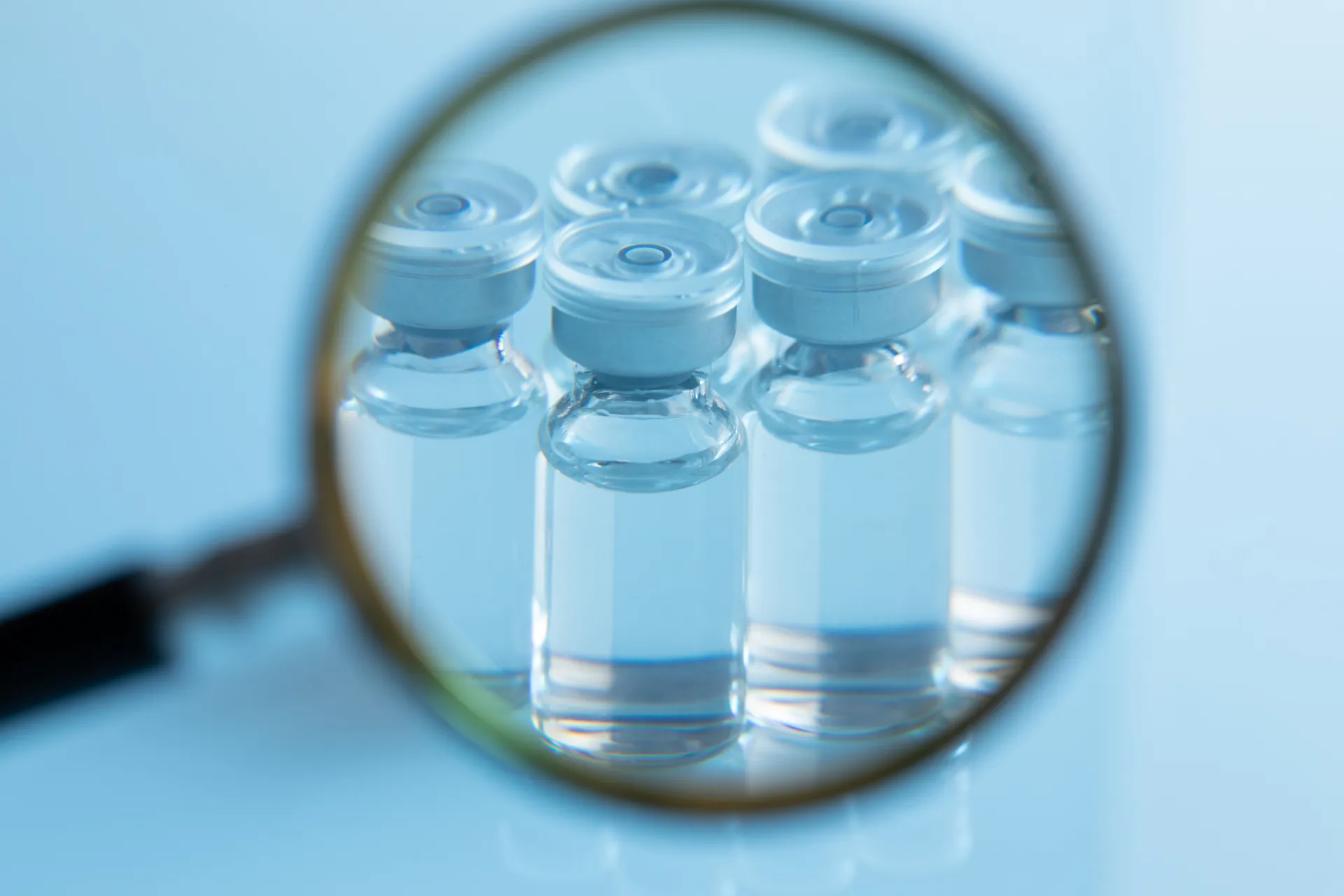
Lyophilized peptides (freeze-dried powders) are the gold standard for long-term storage. Freeze-drying removes water, the primary driver of hydrolysis and microbial growth. A properly lyophilized peptide stored at -20°C or -80°C can remain stable for years or decades with minimal degradation. They occupy minimal space, resist temperature fluctuations during shipping, and preserve secondary structure reliably.
Dissolved peptides in liquid form offer immediate usability without reconstitution time. For short-term studies (days to weeks), dissolved peptides in appropriate buffers work well. However, dissolved peptides degrade faster because water accelerates hydrolysis. A dissolved peptide at 4°C remains stable for 2-4 weeks; at -20°C, typically 6-12 months versus years for lyophilized equivalents.
For most long-term research, lyophilized peptides are superior. Rejuvenation Wellness Solutions LLC provides product kits including lyophilized peptides, bacteriostatic dilution water, and sterile syringes for proper reconstitution and storage.
Temperature is the most powerful lever for controlling peptide degradation. Each 10°C increase roughly doubles chemical degradation rate (the Arrhenius effect).
-80°C (ultra-low freezers): The gold standard for long-term storage. Molecular motion slows dramatically, pausing degradation pathways. Peptides remain stable for 5-10 years with biological activity loss in single-digit percentages annually.
-20°C (standard laboratory freezers): Peptide degradation slows roughly 10-15 times slower than room temperature. Lyophilized peptides remain stable for 1-2 years; dissolved peptides for 6-12 months. Every laboratory has -20°C freezers, making this practical for 6-12 month research projects. The risk is temperature cycling from defrost cycles, which accelerates degradation through repeated freeze-thaw stress.
4°C (refrigerator temperature): Short-term only. Dissolved peptides remain stable for 2-4 weeks. Lyophilized peptides are inappropriate for 4°C storage; higher temperature and moisture promote hydrolysis and microbial growth.
Room temperature (20-25°C): Never use for long-term storage. Dissolved peptides degrade within days; lyophilized peptides lose significant activity within weeks.
Water drives hydrolysis, promotes microbial contamination, and causes peptide precipitation or aggregation. Lyophilized peptides must be stored in absolutely dry conditions. Store them in desiccator containers with desiccant packs (silica gel or molecular sieves), replacing packs every 3-6 months or using indicating desiccants that change color when saturated.
Glass vials with rubber septa and aluminum caps provide the best moisture barrier. Plastic vials are permeable to water vapor over long periods. For storage beyond 6 months, transfer peptides from plastic to glass vials. Ensure rubber septa are intact; cracked septa allow atmospheric moisture entry.
Rejuvenation Wellness Solutions LLC ensures all peptides arrive in high-quality glass vials with certified seals and undergo independent lab testing with a Certificate of Analysis confirming purity and integrity before shipment.
Peptides degrade through specific chemical and biological mechanisms. Understanding these pathways enables prevention.
Oxidation is the most common degradation pathway. Amino acids with reactive side chains, methionine, tryptophan, and cysteine, are vulnerable to oxidative damage from dissolved oxygen. Minimize oxygen exposure by storing peptides in vials flushed with inert atmosphere (nitrogen or argon) before sealing. When reconstituting lyophilized peptides, use nitrogen-flushed bacteriostatic water to displace oxygen in the vial headspace.
Hydrolysis occurs when water breaks peptide bonds, fragmenting molecules into smaller pieces. This dominates degradation in dissolved peptides and moisture-exposed lyophilized peptides. Hydrolysis accelerates with temperature and is influenced by pH. Neutral pH (around 7) is safest; acidic or basic conditions accelerate hydrolysis.
Photodegradation occurs when light breaks chemical bonds, particularly affecting aromatic amino acids like tryptophan and tyrosine. Use amber glass vials for long-term storage, especially for peptides containing these residues. If amber vials are unavailable, wrap clear vials in aluminum foil or store in opaque boxes, keeping peptides away from direct sunlight and laboratory lighting.
Temperature accelerates all degradation pathways and can cause peptides to denature, unfolding from secondary structure into random coils. Elevated temperature can cause asparagine deamidation (converting asparagine to aspartate), changing the peptide’s charge, mass, and biological properties irreversibly. Prevent thermal degradation by maintaining consistent, cold storage and minimizing temperature cycling.
Freeze-thaw cycles are severely underestimated degradation mechanisms. When peptide solutions freeze, water crystallizes into ice, concentrating peptide molecules in remaining liquid. This concentration effect, combined with pH shifts and osmotic stress, causes peptides to aggregate or precipitate. Studies show a single freeze-thaw cycle can reduce peptide viability by 10-20%.
Minimize freeze-thaw damage by aliquoting peptides immediately upon receipt into multiple small vials (50-200 µL each). Use one aliquot at a time, keeping others frozen. Use rapid freezing methods: flash-freezing in liquid nitrogen or -80°C freezers is better than slow freezing in -20°C freezers.
Knowing whether peptides have degraded requires systematic monitoring. Visual inspection alone is unreliable; degraded peptides can look identical to fresh samples.
Lyophilized peptides should appear white or off-white. Brown, yellow, or tan discoloration suggests oxidation or thermal degradation. Dissolved peptides should be clear and colorless. Cloudiness or visible particles suggest precipitation or contamination. Crystallization around vial caps or septa indicates moisture infiltration and likely compromise.
High-Performance Liquid Chromatography (HPLC) is the standard method for assessing peptide chemical stability. HPLC separates peptide fragments and modifications by size and charge, quantifying how much original peptide remains intact versus degraded or modified forms. Run HPLC on stored peptide samples every 6-12 months at -20°C or annually at -80°C to track degradation rate.
Mass Spectrometry (MS) provides detailed information, detecting small modifications like oxidation (which adds 16 mass units) that HPLC might miss. Matrix-Assisted Laser Desorption/Ionization (MALDI) MS is particularly useful for peptide analysis.
Biological Activity Assays test whether peptides still function as intended. Specific assays depend on mechanism of action: cell-based binding assays or surface plasmon resonance for receptor-binding peptides, catalytic activity measurement for enzymatic peptides, or circular dichroism spectroscopy for structural studies.
Rejuvenation Wellness Solutions LLC provides every product with a Certificate of Analysis from independent laboratory testing, confirming purity and stability markers at shipment.
Theory is valuable, but execution determines real-world success.
Aliquoting divides your supply into small, single-use portions so bulk remains undisturbed. Use sterile, DNase-free pipette tips in a biosafety cabinet or laminar flow hood. Wear sterile gloves and change them frequently. Disinfect work surfaces with 70% ethanol before starting.
For lyophilized peptides, reconstitute only the aliquot you’re about to use. Add appropriate volume of sterile, degassed bacteriostatic water or buffer. Mix gently by pipetting up and down (never vortex, which causes foaming and oxidation). Allow 15-30 minutes for complete dissolution.
Before sealing aliquot vials, flush headspace with sterile nitrogen or argon gas to displace oxygen and prevent oxidation.
Bacteriostatic water (water with 0.9% benzyl alcohol) is the most common choice for research peptides. The benzyl alcohol prevents microbial growth without denaturing peptides. Phosphate-buffered saline (PBS) works well for many peptides, particularly those used in cell-based assays. Avoid distilled water without preservatives (allows rapid microbial growth) and organic solvents like DMSO or ethanol unless your peptide is specifically designed to tolerate them. Most peptides are stable between pH 6.5 and 7.5.
Remove aliquot vials from freezer and allow slow warming to room temperature. Rapid temperature changes cause condensation; water droplets can seep through caps, introducing moisture and contamination. Place vials in room-temperature water bath for 15-20 minutes or leave on bench for 30 minutes.
Once at room temperature, add solvent slowly, allowing gradual contact with peptide powder. Mix gently by pipetting up and down 10-15 times. Avoid vortexing and foaming. Allow 15-30 minutes for complete dissolution.
Once reconstituted, use peptide within 4 hours at room temperature or 24 hours at 4°C. Do not re-freeze reconstituted peptides unless protocols specifically require it.
| Storage Format | Temperature | Expected Stability | Best Use Case |
|---|---|---|---|
| Lyophilized in desiccated vial | -80°C | 5-10 years | Long-term research, archived samples |
| Lyophilized in desiccated vial | -20°C | 1-2 years | Standard research, institutional freezers |
| Dissolved in buffer | -20°C | 6-12 months | Active research projects |
| Dissolved in buffer | 4°C | 2-4 weeks | Active use, frequent access |
| Reconstituted solution | Room temperature | 4-24 hours | Immediate experiments only |
Shelf life depends on storage conditions, peptide composition, and your definition of "usable." A peptide losing 10% activity over a year may be acceptable for some applications but not others.
Short-term storage (0-3 months): -20°C is adequate for active research. Lyophilized peptides lose roughly 2-5% activity monthly; dissolved peptides lose 5-10% monthly.
Medium-term storage (3-12 months): Consider -80°C if available. Dramatically slower degradation justifies equipment investment for 6-12 month research.
Long-term storage (1+ years): -80°C is essential. Lyophilized peptides remain stable for 5-10 years with less than 5% total activity loss, critical for archived samples and multi-year clinical trials.
Document storage conditions and test dates. When resuming experiments after months of storage, run quick HPLC or activity assays on small samples to confirm stability before committing entire supplies.
Contamination is silent but deadly. Contaminated peptides look fine but produce unreliable or invalid results. Prevent contamination through rigorous aseptic technique: work in biosafety cabinets or laminar flow hoods, use sterile pyrogen-free materials, wear sterile gloves and change frequently, disinfect work surfaces with 70% ethanol.
For dissolved peptides, bacteriostatic water includes benzyl alcohol to prevent microbial growth, but this protection is limited to the first few weeks. After 4 weeks at 4°C or days at room temperature, even bacteriostatic water cannot prevent contamination if vials are repeatedly opened.
For lyophilized peptides, microbial growth is unlikely in completely dry conditions, but moisture infiltration allows mold or bacteria growth within days. Never reuse vials or caps, transfer peptides between containers without sterile technique, or leave opened vials on benches.
Shipping introduces temperature fluctuations, vibration, pressure changes, and extended ambient-temperature exposure. Rejuvenation Wellness Solutions LLC uses UPS 2-day air shipping with insulated packaging and temperature-monitoring devices, minimizing ambient-temperature time and temperature cycling. Upon arrival, immediately transfer peptides to appropriate freezer storage (-20°C or -80°C).
For outbound shipping, use insulated packaging, ice packs or dry ice, and overnight or 2-day service. Include temperature-monitoring labels that change color if exposed to excessive heat. If shipments arrived with temperature excursion evidence, test peptides immediately for degradation before critical experiments.
Peptide stability isn’t a single decision but a system of interconnected choices: storage format, temperature, moisture management, handling protocols, and monitoring strategy.
The most effective approach: receive lyophilized peptides in high-purity form (99%+ certified through independent testing), store at -80°C in desiccated glass vials with inert atmosphere, aliquot immediately to minimize freeze-thaw cycles, and reconstitute only what you need for each experiment.
For researchers without -80°C access, -20°C storage with minimal temperature cycling and careful aliquoting achieves 1-2 years stability for lyophilized peptides. Contamination prevention through aseptic technique is non-negotiable. Monitor stored peptides periodically through HPLC or activity assays. Visual inspection is insufficient. Objective degradation data lets you plan experiments with confidence and know when supplies need replacement.
Maintaining peptide stability during long-term storage is the foundation of reproducible research. The difference between degraded and fresh peptides can mean the difference between publishable results and wasted months of work. Rejuvenation Wellness Solutions LLC partners with WHO/GMP and ISO-certified manufacturers to provide 99%+ pure peptides with Certificates of Analysis confirming baseline stability. Every product includes bacteriostatic dilution water, sterile syringes, and alcohol swabs for proper storage and reconstitution. With same-day order fulfillment and UPS 2-day shipping, your peptides reach you quickly and in optimal condition. Reach out by text, phone, or email to discuss your storage needs and get started with peptides you can trust.
NIH Guidelines on Peptide Storage and Handling
American Chemical Society Standards for Peptide Purity and Stability
International Organization for Standardization ISO 13485 Medical Device Quality Management
Peptide stability during long-term storage is best maintained at -80°C for extended periods (months to years). For shorter timelines of several weeks, -20°C is acceptable. Lyophilized peptides are more stable than dissolved forms and tolerate slightly warmer conditions. Room temperature storage significantly accelerates degradation through oxidation, hydrolysis, and thermal decomposition. Always verify your specific peptide's stability profile, as molecular weight and amino acid sequence affect thermal tolerance.
Freeze-thaw cycles cause physical stress that can denature peptides and promote aggregation, reducing biological activity and chemical stability. Each cycle exposes peptides to osmotic stress and ice crystal formation. To minimize impact, aliquot peptides into small portions before freezing so you use one vial per experiment without repeated thawing. Allow vials to equilibrate to room temperature slowly in a desiccator to prevent condensation. Limit freeze-thaw cycles to fewer than 3-5 per vial whenever possible.
Visual degradation signs include discoloration (yellowing or browning), cloudiness or precipitation in solution, visible crystallization, or changes in vial appearance. However, many degradation pathways, including oxidation and hydrolysis, occur without visible changes. This is why independent lab testing with a Certificate of Analysis is essential before and after storage. Monitor for loss of solubility, unexpected pH changes, and reduced biological activity in your assays as functional indicators.
Reconstituted peptides in solution are less stable than lyophilized forms and require -20°C or -80°C storage in sealed vials with minimal headspace to limit oxidation. Use appropriate buffers that maintain pH and prevent hydrolysis, verify buffer compatibility with your peptide's amino acid sequence and molecular weight. Store in an inert atmosphere when possible and minimize exposure to light and ambient temperature. If you need short-term access, prepare small aliquots and keep working stocks separate from long-term reserves.
This article was written using GrandRanker