

Last Updated: October 20, 2026
Growth hormone secretagogues are compounds that stimulate the pituitary gland to release growth hormone, rather than supplying the hormone itself. At Rejuvenation Wellness Solutions LLC, we supply research-grade peptides to investigators studying this class, and the distinction between stimulating release and replacing hormone matters more than most summaries admit.
The class includes synthetic molecules and secretagogue peptides that act on receptors in the hypothalamus and pituitary. Ghrelin mimetics, growth hormone-releasing hormone analogs, and growth hormone-releasing peptides all fall under the GHS umbrella. Each works through a different node of the growth hormone axis.
Pulsatile secretion is the defining feature of normal growth hormone physiology. The pituitary releases growth hormone in discrete bursts, mostly during deep sleep, and these pulses drive most downstream effects.
Secretagogues amplify that natural rhythm rather than flattening it. Many researchers find this the central appeal of the class: the goal is to support endogenous production, not override it. The growth hormone axis also includes IGF-1 feedback from the liver, which constrains how far any secretagogue can push output.
Growth hormone secretagogues and fat mass are linked primarily through lipolysis, but the chain from receptor binding to a measured change in fat mass has several links that summaries tend to skip. Growth hormone binds the growth hormone receptor on adipocytes, which activates JAK2 and downstream signaling that raises hormone-sensitive lipase activity and reduces lipoprotein lipase activity. The net effect is that stored triglycerides are hydrolyzed into free fatty acids and glycerol for release into circulation, while the adipocyte’s capacity to take up new fatty acids from circulating triglycerides falls.
That mechanism is well documented in animal studies and reasonably consistent in human trials, though the magnitude varies widely by compound, dose, and population. Two features of the response deserve emphasis. First, the lipolytic effect is acute and dose-dependent: a single secretagogue dose can raise free fatty acids and glycerol within hours, which is a very different observation from a change in fat mass measured over months. Second, the effect is depot-selective. Growth hormone and its secretagogues appear to act more strongly on visceral and truncal adipose tissue than on subcutaneous gluteofemoral fat, which is why researchers often separate subcutaneous from visceral outcomes rather than reporting a single body fat number.
A third layer is the insulin interaction. Growth hormone opposes insulin action, so sustained secretagogue-driven growth hormone elevation can raise fasting glucose and compensatory insulin output. In some study designs that insulin response itself blunts lipolysis, which helps explain why a compound that reliably raises free fatty acids in a short trial may produce little or no fat mass change over a longer one.
A useful way to read this literature is to sort studies by what they actually measured. Acute free fatty acid and glycerol rises are the most reproducible finding and appear across GHRH analogs, ghrelin mimetics, and GHRP peptides. Respiratory quotient falls are consistent with increased fat oxidation but are sensitive to diet and activity on the test day. Imaging-based fat mass reductions are the least consistent and the most dependent on baseline adiposity, dose, and duration. None of these endpoints is wrong; they answer different questions, and conflating them is the most common source of overstated fat-loss claims.
Growth hormone secretagogues and lean mass produce the most exaggerated claims in this field. The honest version: growth hormone supports lean body mass through nitrogen retention and collagen synthesis, but secretagogue-driven changes are typically modest and slow.
Lean body mass on a scan is not the same as functional muscle gain. Much of the lean mass increase attributed to growth hormone in older adults reflects fluid retention and connective tissue rather than contractile muscle tissue. The distinction matters because body-composition outcomes get reported as “muscle gain” when the underlying tissue change is different.
Sermorelin and visceral fat is a narrower question than general growth hormone secretagogue claims, and the evidence is correspondingly thinner. Sermorelin is a growth hormone-releasing hormone analog that acts on pituitary GHRH receptors to increase endogenous growth hormone release. Because it works upstream of the pituitary rather than supplying exogenous hormone, its effects depend on the integrity of the somatotropic axis, which declines with age and is altered in obesity.
This section takes a study-by-study approach, because the compound-specific human evidence is where most summaries blur together. Three study designs dominate what exists:
Human studies on sermorelin specifically measuring visceral fat are limited. What exists suggests effects depend heavily on baseline body composition and age. Populations with obesity show altered growth hormone secretion patterns to begin with, so a secretagogue’s effect in a lean young adult tells you little about its effect in an older adult with excess visceral adiposity.
A second population contrast matters for interpretation. Growth hormone secretion is pulsatile and sleep-dependent, and both pulse amplitude and total secretory output decline with age. A GHRH analog can only amplify a pulse that the pituitary is still capable of generating, which is one mechanistic reason older adults and adults with obesity may respond differently to the same dose. This is a hypothesis rather than a settled finding, but it is the most useful frame for reading the sermorelin literature critically.
Body mass recovery after weight loss is another context where researchers examine secretagogues, though this remains an experimental area rather than an established one. The practical takeaway for anyone reviewing this evidence is to check three things in every study: whether visceral fat was measured directly or inferred from waist circumference, whether the population had obesity at baseline, and whether the trial duration was long enough for a fat mass change to be detectable above measurement noise.
Growth hormone secretagogue safety concerns fall into predictable categories. Common adverse effects reported in trials include injection-site reactions, flushing, and transient changes in appetite or blood glucose.
Contraindications matter. Active malignancy, uncontrolled diabetes, and pregnancy are standard exclusions in this class. Carbohydrate metabolism shifts are a real consideration, since growth hormone opposes insulin action, and anyone with impaired glucose tolerance warrants closer monitoring.
Monitoring in a research context means tracking IGF-1 levels, fasting glucose, and body-composition endpoints on a schedule rather than once. The NIH’s guidance on growth hormone research and the FDA’s framework for peptide regulation are worth reading before designing any protocol.
Secretagogue classes differ in where they act on the growth hormone axis. Growth hormone-releasing hormone analogs act on pituitary receptors. Ghrelin mimetics act upstream at the hypothalamus and also influence appetite and leptin signaling. Growth hormone-releasing peptides sit between the two.
| Class | Primary Target | Appetite Effect | Typical Research Focus |
|---|---|---|---|
| GHRH analogs | Pituitary receptors | Minimal | Pulsatile release, IGF-1 |
| Ghrelin mimetics | Hypothalamic receptors | Noticeable increase | Appetite, energy balance |
| GHRP peptides | Pituitary and hypothalamic | Moderate | Combined release studies |
Compound-level differences are larger than class-level ones. Half-life, receptor affinity, and route of administration all shift outcomes, which is why lumping every secretagogue into one evidence base produces misleading conclusions.
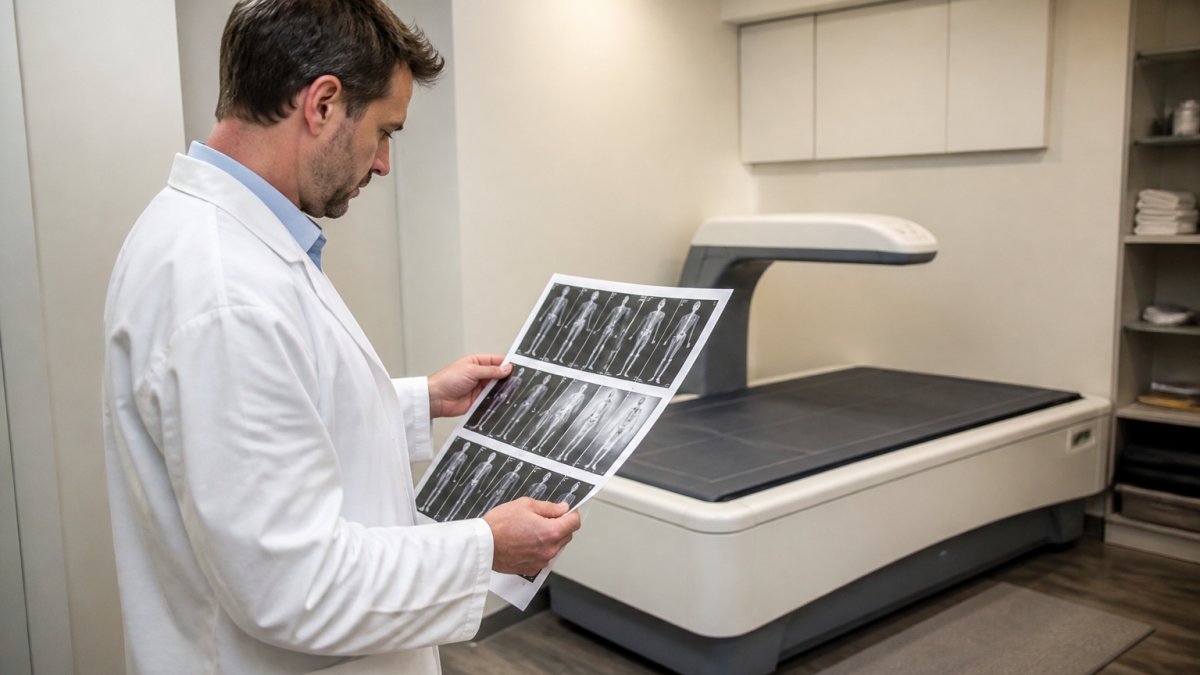
Measurement method determines what you conclude. DEXA, MRI, bioelectrical impedance, and calipers disagree with each other, sometimes substantially.
Realistic expectations mean accepting small effect sizes measured over months, not weeks. Hormonal variation between individuals and between testing days adds noise that can swamp a real treatment effect. Run baseline and follow-up scans under the same conditions.
For investigators sourcing compounds, purity and documentation matter as much as the protocol. Rejuvenation Wellness Solutions LLC partners with WHO/GMP and ISO-certified manufacturers and 503B compounding pharmacies, and every product ships with an independent Certificate of Analysis so the material in the vial matches what the study design assumes. Our kits include bacteriostatic dilution water, syringes, and alcohol swabs, and we ship same day with UPS 2-day air.
The gap between what growth hormone secretagogues promise and what the evidence supports is where most research goes wrong. If you are designing a study, start with baseline testing, pick one compound rather than a class, and measure with a method that can actually detect the change you expect.
Rejuvenation Wellness Solutions LLC supplies 99%+ pure research peptides with independent lab testing and a Certificate of Analysis for every batch, backed by same-day fulfillment and customer service that answers within hours. Get started with Rejuvenation Wellness Solutions LLC and build your next protocol on material you can verify.
Research links growth hormone secretagogues to shifts in body composition through increased pulsatile growth hormone release and rising IGF-1. In studied populations, this typically shows up as reduced fat mass alongside modest changes in lean body mass. The size of any change depends on the compound, dose, duration, and the population studied, and results from animal models do not automatically carry over to humans. Body-composition outcomes should be measured with validated methods rather than inferred from how someone looks or feels.
Sermorelin is a growth hormone-releasing hormone analog that stimulates the pituitary to release growth hormone. Some human studies of growth hormone axis stimulation report reductions in visceral adipose tissue, but evidence specific to sermorelin is limited and often drawn from small trials. Visceral fat responds to many inputs, including diet, sleep, and activity, so any effect from a secretagogue should be framed as part of a broader picture. Anyone considering sermorelin should confirm the product’s purity and source.
Growth hormone secretagogue safety concerns include fluid retention, joint pain, and effects on carbohydrate metabolism, particularly with sustained elevation of growth hormone and IGF-1. Secretagogues are not appropriate for people with active cancer, uncontrolled diabetes, or certain pituitary conditions. Product quality and dosing accuracy are separate risks. Monitoring hormone levels and metabolic markers is a practical way to catch problems early.
Studies of growth hormone secretagogues and lean mass suggest increases are usually modest and driven largely by water retention and connective tissue rather than new contractile muscle. That distinction matters: lean body mass on a scan is not the same as functional muscle gain. Resistance training and adequate protein remain the primary drivers of muscle growth, and a secretagogue does not replace them. Researchers should interpret lean mass changes alongside strength and performance measures, not in isolation.








