

Last Updated: October 6, 2026
Finding where to buy pre-mixed research peptides starts with one rule: the supplier’s documentation matters more than the price tag. Before you compare listings, learn to verify a Certificate of Analysis, confirm the supplier’s manufacturing partners, and understand what “research-grade” actually requires.
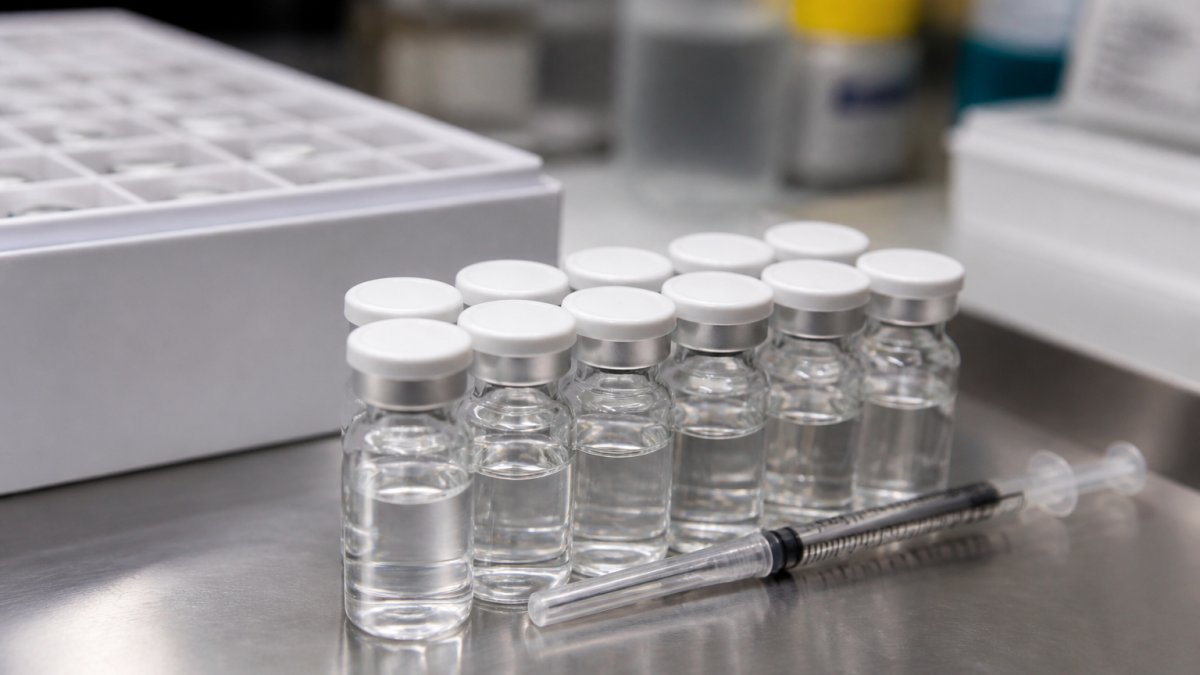
Pre-mixed research peptides are peptide solutions that arrive already reconstituted in bacteriostatic water, ready for laboratory use without the dilution step required for lyophilized powders.
Here is the tension most buying guides ignore: a pre-mixed vial has already been through a process you cannot see. With a powder, you control the reconstitution.
Below, we break down the supplier checklist, the COA verification process, storage rules, and the legal questions researchers ask us most.
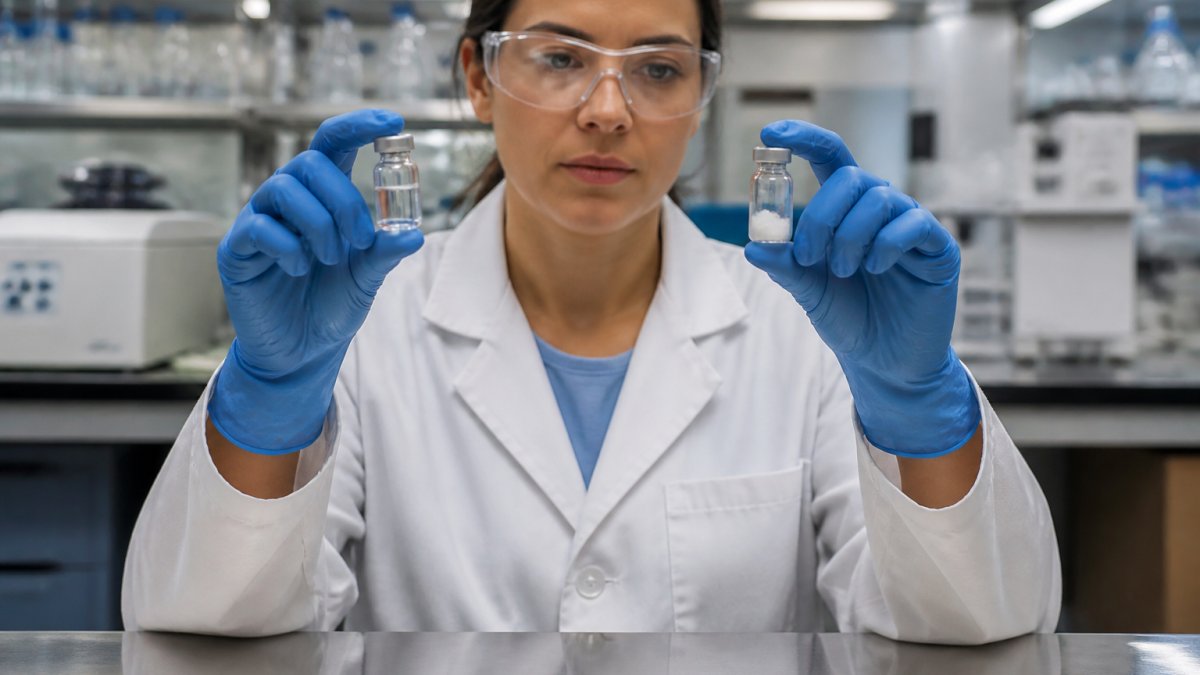
Pre-mixed peptides are best for short-term studies where convenience and consistent concentration matter; lyophilized powders suit long-term storage and maximum shelf life. The right choice depends on your timeline, not your preference.
| Factor | Pre-Mixed (Reconstituted) | Lyophilized (Powder) |
|---|---|---|
| Preparation | Ready to use | Requires reconstitution |
| Storage life | Shorter, refrigeration needed | Longer, often freezer-stable |
| Concentration consistency | Set by supplier | Set by researcher |
| Best for | Short protocols, quick setup | Long-term archives, repeat batches |
| Handling risk | Lower prep error | Higher prep error |
For a study running weeks, pre-mixed saves time and reduces the chance of a dilution mistake. For a compound you will use across a year, powder usually wins on stability. Many labs keep both on hand.
A reliable research peptide supplier checklist comes down to documentation, transparency, and responsiveness. But asking the questions is only half the job, the other half is knowing what a credible answer looks like and how to confirm it.
A supplier that answers all ten without hesitation is worth a second look. One that dodges questions two and three is not.
Certification claims are easy to print and hard to verify, so treat them as a starting point. Reputable suppliers name their manufacturing partners and can connect their products to WHO/GMP or ISO-certified facilities and 503B compounding pharmacies. Ask for the facility name, then confirm it independently, many certifying bodies publish searchable registries. Rejuvenation Wellness Solutions LLC, for example, partners with WHO/GMP and ISO-certified manufacturers and 503B compounding pharmacies, and we expect researchers to verify that, not take our word for it.
Payment, privacy, and returns are where many suppliers get vague, and that vagueness is a signal. Look for clear written policies on how your data is handled, what payment methods are accepted, and what happens if a batch fails independent testing. A supplier with no stated return process is asking you to absorb all the risk. That is not a partnership.
A peptide Certificate of Analysis is a document issued for a specific batch that reports identity, purity, and testing method, usually from an independent lab.
Check four things on every COA:
If the batch number on the COA does not match your vial, the document proves nothing about your product.
Independent verification means confirming three things: the testing lab exists and performs peptide analysis, the report is genuine, and the batch on the report matches the batch you received.
A practical verification sequence:
This single sequence separates careful researchers from those who learn the hard way. It is also the step most competitors skip, they tell you what a COA contains, not how to confirm it is real.
FDA guidance on compounding and drug quality standards
Verifying peptide purity means matching the COA’s stated percentage to an independent testing method and confirming the batch. Purity is reported as the percentage of the target peptide present versus related impurities, and anything below the supplier’s stated threshold should be questioned.
Ask how purity was measured. High-performance liquid chromatography is the standard method, and a credible report names it. If a supplier claims a purity figure with no method attached, treat the number as unverified.
Peptide storage guidelines for pre-mixed products center on temperature control and minimizing handling. Because the peptide is already in solution, it is more sensitive to heat and repeated temperature swings than a powder.
Follow these rules:
Shipping matters too. A supplier using proper cold-chain packaging protects the product in transit. Rejuvenation Wellness Solutions LLC ships eligible orders via UPS 2-day air with same-day fulfillment, which shortens the time a pre-mixed product spends in transit.
Research peptides are sold for laboratory research use, not for human consumption, and that distinction drives the legal picture. In the United States, the FDA regulates compounded and unapproved drugs, and peptides sold for research occupy a narrow space defined by their intended use and labeling.
What should researchers confirm before ordering?
FDA information on research use and unapproved drugs
This is general information, not legal advice. If your work touches clinical or regulated settings, confirm requirements with a qualified professional before ordering.
The hardest part of sourcing research peptides is not finding a vendor. It is building a workflow that protects your results every time you order. Verify the COA, confirm the batch, check the certifications, and store pre-mixed products correctly.
At Rejuvenation Wellness Solutions LLC, we built our process around exactly that standard: 99%+ pure products, independent lab testing with a Certificate of Analysis on every item, comprehensive kits with dilution water, syringes, and swabs, and customer service reachable by text, phone, or email within hours.
Researchers buy pre-mixed research peptides from specialized suppliers that sell strictly for laboratory research use. Look for vendors that provide a Certificate of Analysis for every batch, partner with WHO/GMP or ISO-certified manufacturers, and offer clear documentation. Rejuvenation Wellness Solutions serves individual researchers aged 21 and over with 99%+ pure peptides, same-day fulfillment, and UPS 2-day air shipping. Always confirm the supplier’s research-use-only policy and check that the product page states the peptide concentration and format before ordering.
Before buying a pre-mixed peptide blend, check the Certificate of Analysis for purity percentage, the testing laboratory’s name, and the batch number. Confirm the supplier’s reputation through independent customer reviews and verify that the product is labeled for research use only. Review the storage and shipping instructions, especially for pre-mixed formats that may require cold-chain handling. Ask about payment, privacy, and return policies. A supplier checklist covering these points helps you avoid vendors that make vague quality claims without documentation.
To verify a vendor’s Certificate of Analysis, request the original document directly from the supplier and check that the testing laboratory is independent and accredited. Contact the lab to confirm the report’s authenticity if the vendor provides contact details. Cross-reference the batch number on the COA with the batch number on the vial you receive. Look for high-performance liquid chromatography and mass spectrometry data showing 99%+ purity. If a supplier cannot provide a COA or the lab cannot confirm the report, treat the purity claim as unverified.
Follow the supplier’s storage guidelines exactly, as they vary by peptide format. Pre-mixed peptides often require refrigeration at 2-8 degrees Celsius, while lyophilized powders may need freezing at -20 degrees Celsius for long-term storage. Protect products from light and moisture, and avoid repeated temperature changes that can degrade peptide stability. Check the Certificate of Analysis or product insert for specific instructions. If you receive a shipment with compromised cold-chain packaging, document the condition and contact the supplier before use.








