
Last Updated: October 1, 2026
Research peptides are short chains of amino acids synthesized for laboratory investigation of cellular signaling, tissue repair, and metabolic regulation. At Rejuvenation Wellness Solutions LLC, we supply these compounds to researchers aged 21 and over who need documented purity before they begin a study. The benefits of specific research peptides depend entirely on the class you are studying, so matching the peptide to the research question matters more than chasing a popular vial.
Peptides work by binding to receptors on the cell surface or inside the cytoplasm, triggering a cascade that alters gene expression, enzyme activity, or hormone release. Their small molecular weight lets them move through tissue more readily than larger proteins, which is why bioavailability studies dominate this field.
Growth hormone secretagogues act on the pituitary to stimulate endogenous production, while collagen-derived peptides signal fibroblasts to increase collagen production. Metabolic peptides influence insulin sensitivity and metabolic rate through pathways that researchers are still mapping.
That distinction matters because a peptide that works well in one assay may show nothing in another. NIH PubMed database on peptide research
The documented benefits of specific research peptides cluster into three areas: tissue repair, skin and collagen support, and metabolic regulation. Each area uses different peptide classes and different endpoints, so a single “best peptide” does not exist.
Muscle hypertrophy research often centers on secretagogues that raise growth hormone pulses. Studies typically measure lean mass changes and recovery markers over weeks, not days. A common mistake is expecting measurable tissue repair from a single administration.
Collagen production declines with age, and researchers study peptide fragments that mimic collagen breakdown products to see whether fibroblast activity increases. Cellular senescence markers are a frequent endpoint. Results vary widely by peptide sequence and concentration.
Metabolic peptides are studied for their effect on appetite signaling, insulin response, and metabolic rate. These are among the most heavily regulated compounds in the category, and researchers should confirm the legal status of any specific sequence before ordering.
| Research Area | Peptide Class | Typical Endpoint |
|---|---|---|
| Muscle recovery | Growth hormone secretagogues | Lean mass, recovery markers |
| Skin health | Collagen-derived fragments | Collagen production, fibroblast activity |
| Metabolic support | Metabolic signaling peptides | Insulin response, metabolic rate |
A certificate of analysis (COA) is the document that tells you what is actually in the vial. Every product from Rejuvenation Wellness Solutions LLC ships with one because independent lab testing is the only way to verify a purity claim.
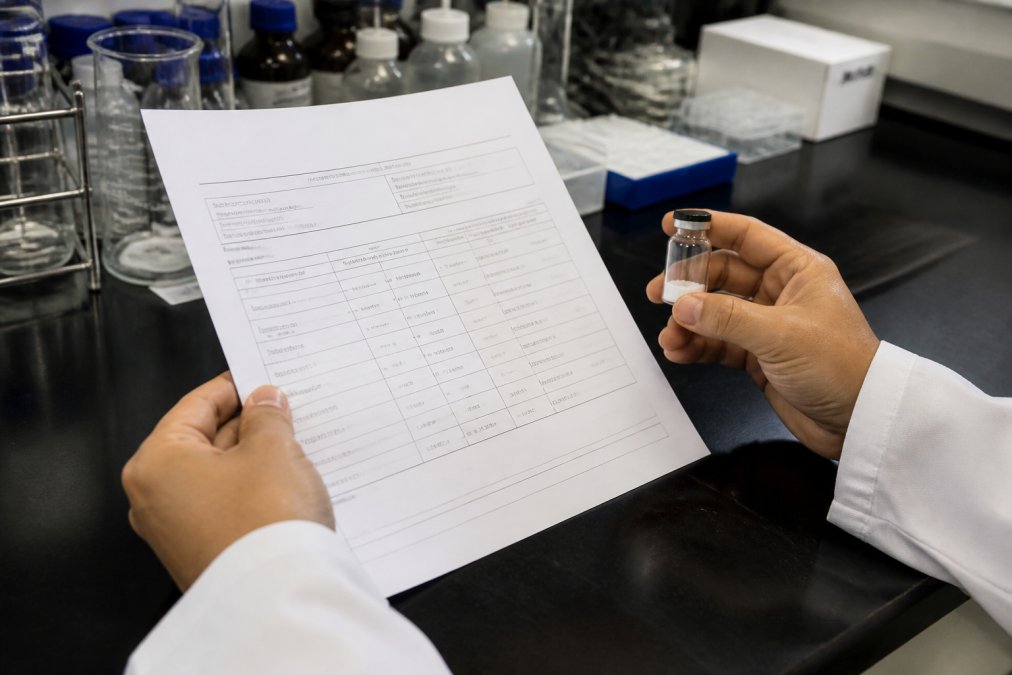
Check these fields in order:
If any field is missing, treat the COA as incomplete. FDA guidance on compounded and laboratory-tested products
Purity standards for research peptides are measured by HPLC and confirmed by mass spectrometry. A 99%+ purity figure means the chromatogram shows a single dominant peak with minimal contaminants.
Purity analysis should also state the testing method and the equipment used. Proteomics-grade work requires tighter tolerances than general bench research.
This is the section most articles skip, and it is the one that decides whether your results are reproducible. Peptide integrity is a handling problem before it is a chemistry problem. The protocols below reflect common laboratory practice; always defer to your institution’s environmental health and safety office and your IACUC or IRB protocol where applicable.
Reconstituted peptide degrades faster than powder, and the rate depends on sequence, concentration, and buffer.
Treat every research peptide as a potential irritant. Minimum PPE for powder handling is nitrile gloves, safety glasses, and a lab coat; add a respirator or work in a fume hood when weighing or transferring dry powder, which can aerosolize. Dispose of sharps in an approved container and follow your institution’s chemical waste stream for unused material.
Subcutaneous injection is the most common route in rodent studies. Key variables that affect reproducibility:
Adverse effects reported in published literature most often trace to dosing errors, volume errors, or contaminated diluent rather than to the compound itself. Document every step, diluent lot, reconstitution date, concentration, and storage history, so a failed replicate can be traced to a handling variable rather than blamed on the peptide.
CDC laboratory safety guidelines
Research use only (RUO) labeling means the product is not approved for human or veterinary use. Clinical application requires regulatory compliance pathways that RUO material does not satisfy.
Researchers sometimes blur this line, and that is where legal exposure begins. If your work involves human subjects, you need institutional review board approval and a compliant supply chain, not a research-grade vial.
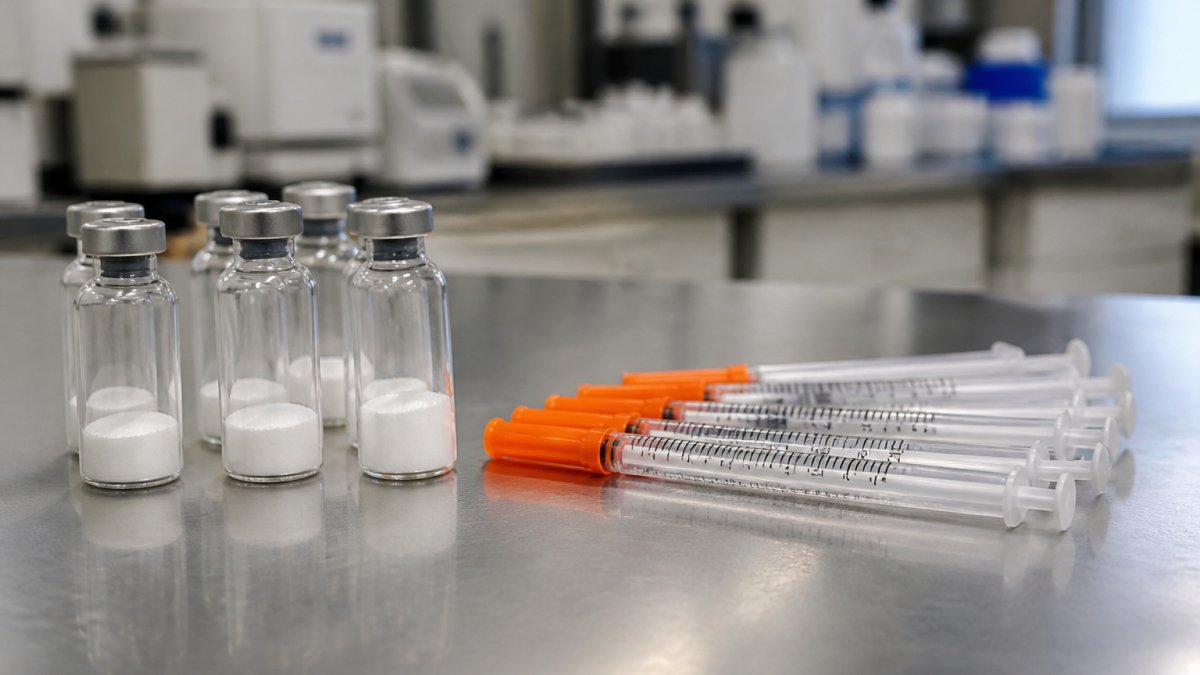
Sourcing peptides with verifiable purity documentation is the hardest part of independent research. Rejuvenation Wellness Solutions LLC addresses that with 99%+ pure products tested by independent labs, a Certificate of Analysis with every order, and kits that include bacteriostatic dilution water, syringes, and alcohol swabs. Get started with Rejuvenation Wellness Solutions LLC and run your next study on a supply chain you can document.
Research peptides are trending because they offer precise targeting of cellular signaling pathways involved in tissue repair, metabolic regulation, and hormonal homeostasis. Their high specificity and low molecular weight allow researchers to study fundamental biological processes with greater control. Additionally, advances in peptide synthesis and purity analysis, such as HPLC testing and mass spectrometry, have made research-grade peptides more reliable and accessible for independent studies.
Purity directly affects experimental reproducibility and safety. Impurities can introduce confounding variables, trigger adverse effects, or alter bioavailability. Peptide purity standards typically require 98% or higher, verified through HPLC and mass spectrometry. A Certificate of Analysis (CoA) provides batch-specific data on purity, molecular weight, and sterility. Researchers should always review the CoA before use to ensure the peptide meets their study’s requirements.
Safety protocols include working in a clean, designated area, wearing personal protective equipment (gloves, lab coat, eye protection), and using aseptic technique during reconstitution. Store lyophilized peptides at -20°C, and reconstituted peptides at 4°C for short-term use, avoiding freeze-thaw cycles. Dispose of sharps in approved containers and follow institutional guidelines for chemical waste. Always consult the Safety Data Sheet (SDS) for specific handling instructions.
Researchers verify quality by requesting and reviewing a Certificate of Analysis (CoA) from the supplier. The CoA should include results from independent lab testing, such as HPLC for purity, mass spectrometry for molecular weight confirmation, and sterility testing. Additionally, researchers can perform their own in-house validation, like UV spectroscopy or SDS-PAGE, to confirm identity and integrity. Partnering with suppliers that use WHO/GMP and ISO-certified manufacturers ensures consistency and reliability.