

Last Updated: July 30, 2026
Proper peptide handling directly impacts experimental outcomes. Peptides are fragile molecules that degrade through hydrolysis, oxidative damage, and contamination if protocols aren’t followed. A single mistake during reconstitution or storage can compromise months of research work.
This guide covers essential protocols for protecting peptides from arrival through use: storage conditions, reconstitution techniques, stability factors, and practical troubleshooting.
Temperature, humidity, light exposure, and atmospheric composition determine whether samples remain stable for months or degrade within weeks.
Lyophilized peptides should be stored at -20°C or colder for long-term stability. At -20°C, most lyophilized peptides remain stable for 12-24 months. For extended storage beyond two years, -80°C freezers provide superior protection.
Temperature stability matters as much as absolute temperature. Freezers that fluctuate between -15°C and -25°C cause more damage than those staying consistently at -20°C through repeated freeze-thaw cycles and osmotic stress.
Refrigerator storage at 2-8°C works only for short-term holding, typically 1-2 weeks maximum for lyophilized peptides. Reconstituted peptide solutions should be stored at 2-8°C if used within a few days. Beyond one week, move reconstituted solutions to -20°C freezer storage.
Keep working aliquots in the refrigerator and backup aliquots in the freezer to balance convenience with preservation. Lyophilized powder tolerates refrigeration better than solutions because it’s not exposed to aqueous environments where hydrolysis accelerates.
Room temperature storage is the fastest way to degrade peptides. At 20-25°C, most peptides show measurable degradation within 24-48 hours. Minimize room temperature exposure by preparing your workspace completely before opening vials.
During transport, use insulated containers with ice packs or dry ice depending on duration. Rejuvenation Wellness Solutions LLC uses temperature-controlled shipping with UPS 2-day air to ensure peptides arrive in optimal condition.
Reconstitution is where careful technique separates researchers who get consistent results from those chasing batch-to-batch variability.
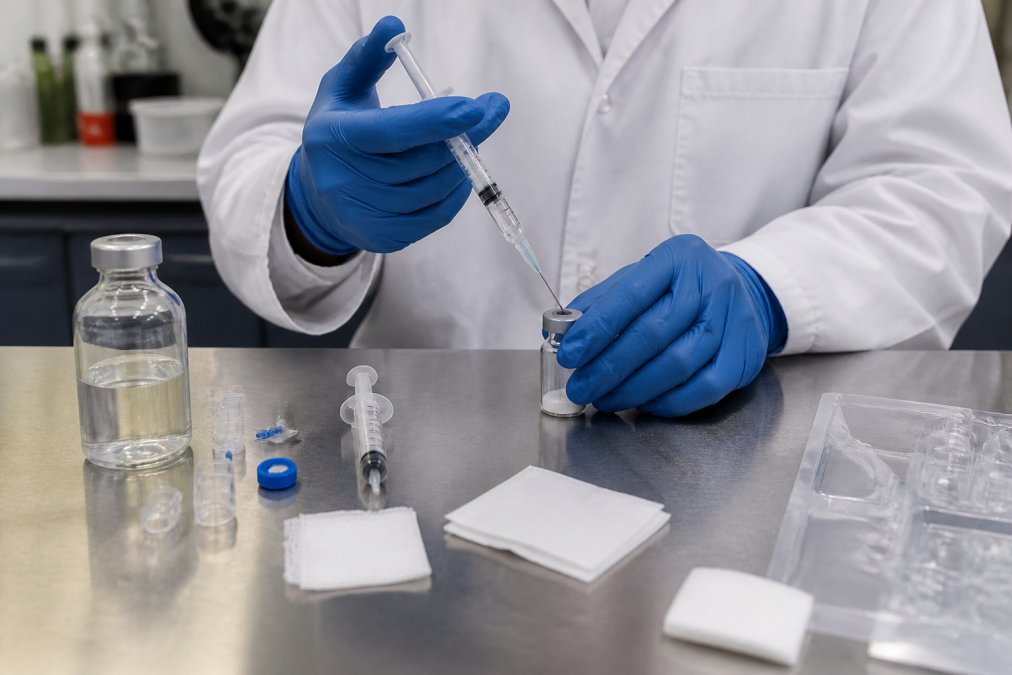
Create a clean, organized workspace before opening any peptide vials. Gather all materials: bacteriostatic water or chosen solvent, sterile syringes, alcohol swabs, pipette tips, and any required buffers or additives. Sanitize your work surface with 70% isopropyl alcohol and allow it to dry completely. Verify that all equipment is calibrated and functional.
(/peptide-reconstitution-guide-researchers/): Step-by-Step]
Bacteriostatic water is the standard choice for most peptides because it’s sterile, contains benzyl alcohol to prevent bacterial growth, and maintains neutral pH. Check your peptide’s technical documentation for recommended solvents. Avoid standard distilled water, which lacks preservative properties and can introduce bacterial contamination.
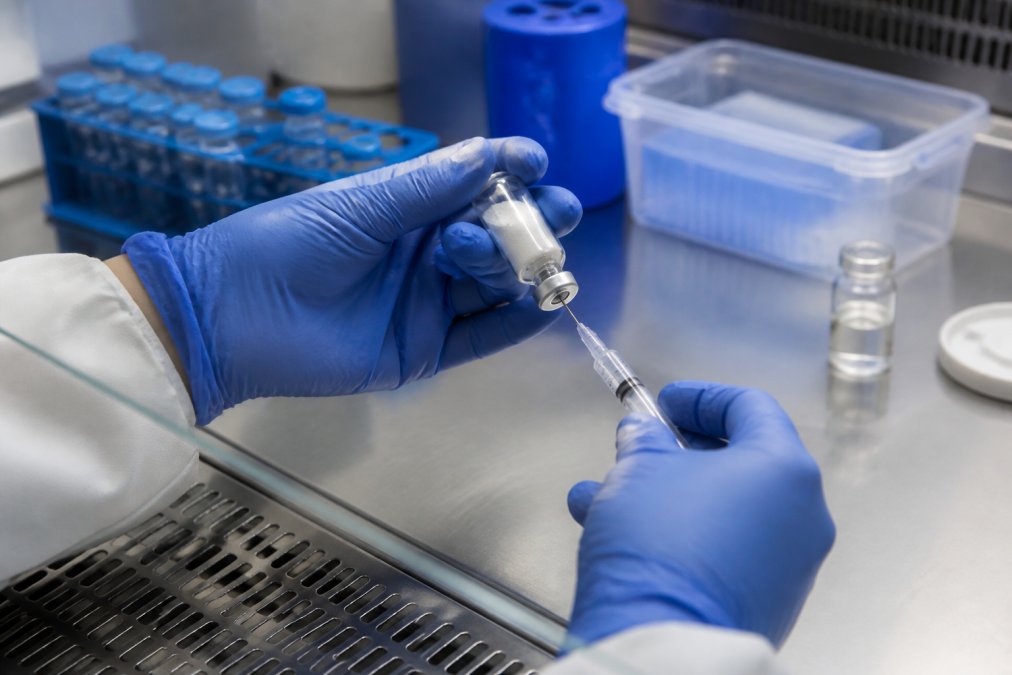
Use alcohol swabs to disinfect the rubber septum of your peptide vial, then insert a sterile needle to equalize pressure before drawing solvent into the vial. Inject solvent slowly, allowing it to mix with the peptide powder rather than creating turbulent flow.
Leave the needle in place and allow the peptide to dissolve for 2-5 minutes. Gently swirl the vial (do not shake vigorously, this introduces air bubbles and oxidative stress). Remove the syringe and needle once dissolution is complete. Label the vial clearly with peptide name, concentration, reconstitution date, and your initials.
Visual inspection is your first check. The solution should be clear with no visible particles or cloudiness. If you see particles, the peptide hasn’t fully dissolved; do not proceed.
For critical applications, verify dissolution by drawing a small aliquot into a syringe and passing it through a 0.22 µm filter. If the filter clogs or the filtrate appears cloudy, incomplete dissolution is your problem.
Peptides degrade through multiple mechanisms simultaneously. Understanding what causes degradation helps you design protocols that address actual threats.
Oxidative damage occurs when peptides encounter oxygen, especially with light and heat. Methionine and cysteine residues are particularly vulnerable. Hydrolysis happens when peptides sit in aqueous solutions for extended periods, with water molecules breaking peptide bonds.
Prevent oxidative damage by storing peptides in inert atmosphere when possible. Vacuum-sealed vials or nitrogen-flushed containers protect against oxygen exposure far better than standard sealed vials. Use degassed solvents to minimize dissolved oxygen.
Hydrolysis prevention requires minimizing water exposure and controlling pH. Store lyophilized peptides in desiccators with fresh desiccant. For reconstituted solutions, use pH-stabilized buffers rather than plain water. A buffer at pH 4-5 significantly slows hydrolysis compared to neutral pH. Some researchers add antioxidants like ascorbic acid or EDTA to reconstituted solutions, particularly valuable for peptides stored for weeks.
Most peptides are most stable in slightly acidic to neutral pH (4-7). Extreme pH conditions (below 3 or above 9) accelerate degradation. Phosphate buffered saline (PBS) maintains pH 7.4 and provides osmotic balance. Acetate buffers work well for slightly acidic conditions (pH 4-5). Tris buffers are useful for neutral to slightly alkaline conditions (pH 7-9).
Use analytical-grade reagents and deionized water when preparing buffers. Prepare fresh buffers regularly; old buffers develop pH drift or microbial contamination. Test your buffer’s pH before using it.
Light, particularly ultraviolet radiation, degrades peptides through photochemical reactions. Aromatic amino acids like tryptophan and tyrosine are especially sensitive. Store all peptides in light-protected containers, amber or opaque vials rather than clear glass.
Minimize time under bright laboratory lighting when working with peptides. Vial integrity matters enormously; peptides in properly sealed vials with inert atmosphere protection remain stable far longer than those in standard containers. For reconstituted solutions, use amber glass vials rather than clear plastic tubes.
Once reconstituted, peptides require careful management to maintain stability through experiments.
Aliquoting is essential for long-term preservation. Rather than repeatedly accessing a single large vial, divide your reconstituted peptide into smaller portions to minimize freeze-thaw cycles and contamination risk.
Create aliquots immediately after reconstitution while the solution is fresh. Use sterile syringes and needles to draw precise volumes into small, labeled vials. Typical aliquot size is 100-500 µL depending on experimental needs. Label each aliquot clearly: peptide name, concentration, reconstitution date, and expiration date. Store aliquots at -20°C immediately after preparation.
Freeze-thaw cycles cause ice crystal formation that damages peptide molecules. Minimize cycles by creating appropriately sized aliquots and using what you need in one experiment rather than thawing and refreezing repeatedly.
If you must access peptides frequently, maintain a small working aliquot at 4°C for short-term use and larger backup aliquots at -20°C. Discard the working aliquot after 2-4 weeks and prepare a fresh one from frozen backup.
Thaw frozen aliquots slowly at 4°C rather than at room temperature. Slow thawing allows ice crystals to melt gradually and reduces osmotic stress. Never use heat or room-temperature thawing for long-term storage.
Bacterial and fungal contamination ruins peptide samples and invalidates experiments. Always use sterile materials when handling reconstituted peptides. Sterile syringes, needles, and pipette tips are non-negotiable.
Store reconstituted peptides in sealed, sterile containers. Avoid leaving vials open or partially sealed. If working in a non-sterile environment, use a biological safety cabinet or laminar flow hood for reconstitution and aliquoting.
Check for contamination regularly, especially if peptides are stored for extended periods. Visual signs include cloudiness, discoloration beyond the peptide’s natural color, or visible particles. If you suspect contamination, discard the sample.
| Storage Method | Temperature | Duration | Best For | Contamination Risk |
|---|---|---|---|---|
| Lyophilized, sealed vial | -20°C | 12-24 months | Long-term reference | Very low |
| Lyophilized, desiccator | 2-8°C | 1-2 months | Active research | Low |
| Reconstituted, freezer | -20°C | 4-8 weeks | Batch experiments | Low |
| Reconstituted, refrigerator | 2-8°C | 3-7 days | Active daily use | Moderate |
| Reconstituted, room temperature | 20-25°C | < 24 hours | Immediate experiments | High |
Most peptide handling failures result from overlooked basics rather than exotic problems.
Storing peptides in standard freezers without temperature monitoring is the most frequent mistake. Invest in a freezer with temperature monitoring and alarms that alert you to fluctuations.
Reconstituting with non-sterile water or solvents introduces contamination from the start. Use only sterile, analytical-grade solvents.
Leaving reconstituted peptides at room temperature "just for a few minutes" while preparing other materials is deceptively damaging. Peptide degradation accelerates exponentially at room temperature. Prepare your workspace completely before opening peptide vials.
Reusing syringes and needles across multiple peptides introduces cross-contamination. Use fresh sterile equipment for each peptide.
Not labeling samples clearly leads to identity confusion and wasted work. Label everything clearly before storing it.
Understanding what went wrong helps you fix the problem and prevent recurrence.
If your peptide powder refuses to dissolve after 10-15 minutes of gentle mixing, the problem is usually solvent selection or pH. Check your technical documentation; some peptides require specific pH conditions or organic solvents.
If documentation specifies water but your peptide won’t dissolve, try adding 10-20% DMSO or acetonitrile. If your peptide is supposed to dissolve in water but doesn’t, pH is likely the culprit. Try slightly acidic conditions (pH 4-5) with acetate buffer or alkaline conditions (pH 8-9) with Tris buffer.
Verify that your solvent is actually sterile and hasn’t been contaminated. If you suspect solvent quality, prepare fresh solvent and try again. If your peptide still won’t dissolve after trying multiple solvents and pH values, contact your supplier. Rejuvenation Wellness Solutions LLC provides Certificates of Analysis documenting purity and can help troubleshoot unexpected behavior, accessible by text, phone, and email within hours.
Particles or cloudiness indicate incomplete dissolution, contamination, or precipitation. Filter a small aliquot through a 0.22 µm syringe filter. If the filter clogs, you have undissolved peptide; return to solvent selection and pH adjustment strategies.
If filtration succeeds but the filtrate remains cloudy, you may have a colloidal suspension. Try adding small amounts of detergent (0.1% Tween-20 or Triton X-100) to break up aggregates. If cloudiness appears after several hours or days of storage, microbial contamination is likely. Discard the sample and prepare fresh reconstitution using sterile technique.
If your reconstituted solution’s pH differs significantly from your buffer’s pH, contamination or buffer degradation is likely. Prepare fresh buffer using analytical-grade reagents and deionized water. Verify the new buffer’s pH before using it.
Demand Certificates of Analysis for every peptide you purchase. These documents verify purity through mass spectrometry or HPLC testing and confirm that your peptide meets specifications. Rejuvenation Wellness Solutions LLC provides independent lab testing with Certificate of Analysis for all products, ensuring you’re getting 99%+ pure peptides.
When peptides arrive, inspect the vial for signs of damage. Cracks, leaks, or discoloration indicate problems during manufacturing or shipping. Contact your supplier immediately if anything looks wrong.
Store your Certificates of Analysis with your peptide samples. For critical research, consider re-testing peptide purity after extended storage. Document your storage conditions and handling procedures to identify patterns if results become inconsistent.
Peptide handling demands attention to detail and respect for sample fragility. Proper storage temperatures, sterile reconstitution technique, pH control, and contamination prevention form the foundation of reliable research. These practices protect your investment in high-quality peptides and ensure experimental results reflect your actual research rather than handling artifacts.
Rejuvenation Wellness Solutions LLC provides 99%+ pure peptides with independent lab testing, comprehensive product kits including bacteriostatic dilution water and syringes, and customer support available by text, phone, and email within hours. Same-day order fulfillment and UPS 2-day air shipping ensure your peptides arrive in optimal condition. Focus on your science, not on worrying about peptide quality.
Lyophilized peptides should be stored in a freezer at -20°C or colder in an inert atmosphere (vacuum-sealed vials) to minimize oxidative damage and hydrolysis. Keep them in a desiccator or sealed container with desiccant packs to prevent moisture absorption. Avoid repeated freeze-thaw cycles by creating small aliquots. Store in amber or opaque vials to protect against light sensitivity. Check vial integrity regularly and maintain stable temperature to ensure long-term peptide purity and stability.
The optimal solvent depends on your peptide's properties. Sterile water or bacteriostatic water works for hydrophilic peptides, while buffer solutions (PBS, Tris, or acetate buffers) are preferred for most research applications because they maintain pH stability and prevent hydrolysis. For hydrophobic peptides, you may need organic solvents or mixed solvent systems. Always verify solvent compatibility with your specific peptide's chemical structure. Use sterile, pyrogen-free solvents to avoid microbial contamination and maintain peptide purity for accurate results.
Common mistakes include: not using aseptic technique during reconstitution, leading to bacterial contamination; repeated freeze-thaw cycles that damage peptide structure; storing reconstituted peptides at room temperature instead of refrigerated conditions; using incorrect solvents that cause hydrolysis or precipitation; not creating proper aliquots for single-use; and failing to verify pH or solubility before use. Additionally, many researchers neglect to use inert atmosphere protection or desiccant packs, allowing oxidative damage. Avoiding these errors requires careful attention to storage temperature, solvent selection, and sterile handling protocols.
Reconstituted peptides typically remain stable for 2-4 weeks when refrigerated at 2-8°C, though stability varies by peptide composition. Key stability factors include pH (peptides are sensitive to extreme pH values), temperature fluctuations, light exposure, and dissolved oxygen (oxidative damage). Hydrophobic peptides degrade faster than hydrophilic ones. Using bacteriostatic water or appropriate buffers extends stability. Microbial contamination dramatically reduces shelf life. For maximum stability, store reconstituted peptides in small aliquots under inert atmosphere in amber vials. Always reference your Certificate of Analysis for specific stability data for your peptide batch.
This article was written using GrandRanker








