
Last Updated: August 29, 2026
Peptides are short chains of amino acids that function as signaling molecules throughout the body, triggering specific biological responses at the cellular level. Unlike proteins, which contain 50 or more amino acids, peptides consist of just 2 to 50 amino acids linked together (peer-reviewed research). This smaller structure gives peptides a critical advantage: they can penetrate cell membranes and interact with receptors more efficiently than larger molecules.
At Rejuvenation Wellness Solutions LLC, we work with researchers who recognize that understanding peptide function is essential for rigorous scientific investigation. Peptides operate through a process called cellular signaling. When a peptide binds to a specific receptor on a cell’s surface or within the cell, it activates a cascade of molecular events. This might trigger the release of hormones, stimulate tissue repair, modulate inflammation, or influence neurological pathways. The specificity of this interaction is what makes peptides powerful research tools, each peptide targets particular receptors, producing predictable biological effects.
The body naturally produces thousands of peptides. Some regulate hunger and satiety, others control sleep cycles, and still others orchestrate immune responses. Synthetic peptides replicate these natural sequences, allowing researchers to study isolated mechanisms without the complexity of whole-organism effects. This is why peptides have become central to laboratory research in endocrinology, neurology, dermatology, and metabolic health.
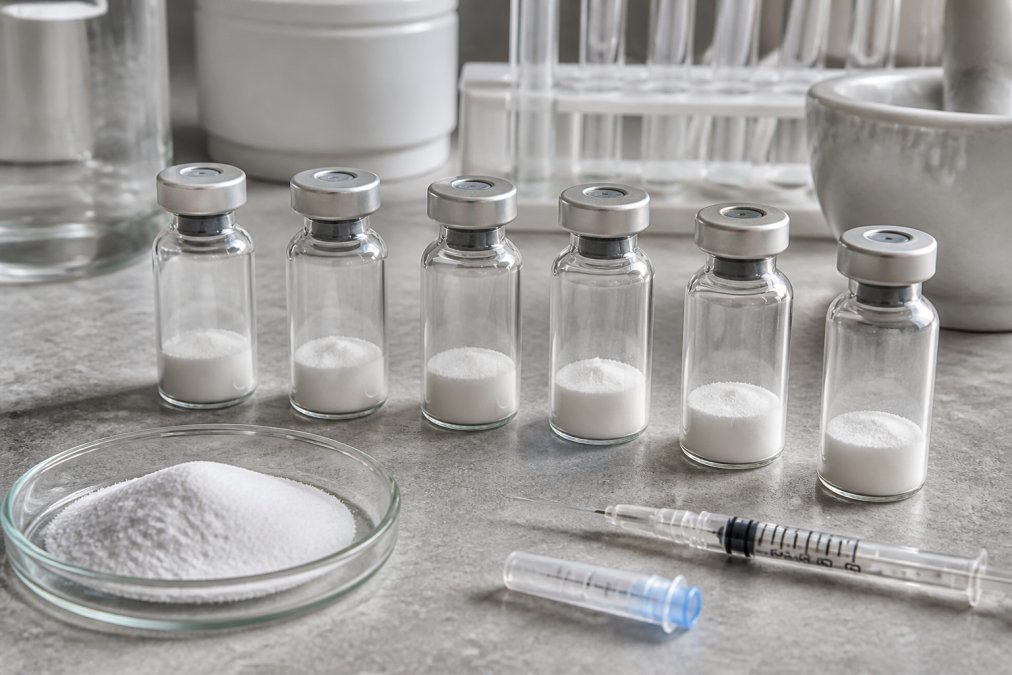
Peptide function depends on several factors: the specific amino acid sequence, the peptide’s three-dimensional structure, how it’s delivered into the body, and the concentration used. Bioavailability, the extent to which a peptide reaches its target tissue, varies dramatically by delivery method. Injectable peptides achieve higher bioavailability than topical or oral forms, which is why most research-grade peptides are supplied as lyophilized powders for reconstitution with bacteriostatic water.
Researchers working with peptides encounter several major categories, each with distinct mechanisms and applications. The 5 common peptide types and their functions span growth hormone regulation, tissue repair, neurological enhancement, and metabolic optimization. Below, we break down the most widely researched peptide types and explain what makes each one valuable for specific research protocols.
Growth hormone secretagogues are peptides designed to stimulate the pituitary gland to release growth hormone. GHRP-2 (Pralmorelin) and Ipamorelin are the two most studied secretagogues in laboratory research, and they work through slightly different mechanisms on the same receptor pathway.
GHRP-2 binds to the ghrelin receptor (also called the growth hormone secretagogue receptor) and triggers a potent release of growth hormone. What distinguishes GHRP-2 in research is its dual action: it not only stimulates growth hormone release but also increases cortisol and prolactin levels. This makes it valuable for studying the broader endocrine cascade, though researchers must account for these secondary effects in their protocols. GHRP-2 is typically supplied in 5mg or 10mg vials at high purity, and it requires reconstitution with bacteriostatic water before use.
Ipamorelin offers a more selective approach. As a pentapeptide, it also activates the growth hormone secretagogue receptor but with a more refined profile. Many researchers prefer Ipamorelin because it stimulates growth hormone release without the same degree of cortisol elevation. This selectivity makes it ideal for studies focused specifically on growth hormone effects on body recomposition, muscle protein synthesis, and recovery time. Ipamorelin is frequently combined with CJC-1295 (a growth hormone-releasing hormone analog) in blended formulations to create synergistic effects, a pairing that has become standard in metabolic research.
Both peptides are supplied with Certificates of Analysis confirming 99%+ purity and are typically used at doses ranging from 100-200 micrograms per injection in research settings (peer-reviewed research). Storage requires freezing at -20°C or colder to maintain stability. The key research advantage of these secretagogues is their ability to stimulate the body’s own hormone production rather than replacing it, allowing investigators to study natural physiological responses.
BPC-157 and TB-500 represent a distinct category of peptides focused on tissue repair, inflammation reduction, and accelerated recovery. These peptides work through different mechanisms but share a common goal: facilitating the body’s natural healing processes at the cellular level.
BPC-157 (Body Protection Compound-157) is a synthetic peptide derived from a protective sequence found in gastric juice. Its primary strength in research is its stability in acidic environments, which makes it unique among peptides. This property allows BPC-157 to survive stomach acid, opening possibilities for oral administration in research models, a rare advantage for peptide-based studies. BPC-157 is studied for its effects on soft tissue repair, gut barrier function, and inflammation reduction. Researchers investigating tendon and ligament recovery, muscle strain repair, and intestinal health frequently use this peptide. It’s supplied in 5mg or 10mg lyophilized vials and requires reconstitution before use.
TB-500 (Thymosin Beta-4 fragment) operates through a different pathway. This peptide is modeled after a naturally occurring protein involved in actin regulation, a critical component of cell structure and movement. TB-500 promotes cellular migration and protein interactions essential for tissue remodeling. In research, TB-500 is investigated for its role in cardiovascular recovery, muscle repair, and wound healing. The peptide appears to work by enhancing the body’s own repair mechanisms rather than directly replacing damaged tissue. Like BPC-157, TB-500 comes in 5mg or 10mg vials at 99%+ purity with independent lab verification.
The distinction between these two peptides matters for research design. BPC-157 excels in studies examining gut health, inflammation markers, and oral bioavailability. TB-500 is preferred when the research focuses on cellular migration, cytoskeletal dynamics, and systemic tissue remodeling. Both peptides have minimal side effect profiles in research settings, making them valuable for long-term study protocols. Storage at -20°C ensures stability for months, and both are compatible with standard research administration methods.
DSIP (Delta Sleep-Inducing Peptide) is a naturally occurring nonapeptide with unique applications in neurological and sleep research. Unlike synthetic peptides designed to mimic hormonal pathways, DSIP is a naturally derived sequence that researchers study to understand how the body regulates sleep and stress responses.
DSIP was originally discovered in the brain and cerebrospinal fluid, where it appears to modulate sleep architecture and stress hormone regulation. In research settings, DSIP is investigated for its effects on sleep quality, cortisol modulation, and oxidative stress reduction. What makes DSIP distinct is its potential application across multiple neurological domains: sleep disorders, stress response, pain management, and even metabolic health. The peptide appears to work by influencing neurotransmitter systems and stress hormone pathways, though the exact mechanisms remain an active area of investigation.
Researchers studying DSIP typically use 5mg vials of lyophilized powder, which require reconstitution with bacteriostatic water. The peptide is supplied with purity verification. One practical advantage of DSIP is its versatility, it can be studied through multiple administration routes in research protocols, and it shows good stability across storage conditions when kept frozen.
The research applications of DSIP extend beyond sleep. Some studies examine its potential in depression models, pain perception, and cancer cell research. This broad applicability makes DSIP valuable for researchers investigating the intersection of sleep, stress, and systemic health. The peptide’s natural origin also appeals to researchers interested in understanding endogenous regulatory mechanisms rather than exogenous hormone replacement.
Proper storage and handling are non-negotiable for maintaining peptide integrity and ensuring reliable research outcomes. Peptides are sensitive molecules, and degradation begins immediately upon reconstitution. Every research protocol depends on starting with stable, high-purity material, which is why storage protocols matter as much as the peptides themselves.
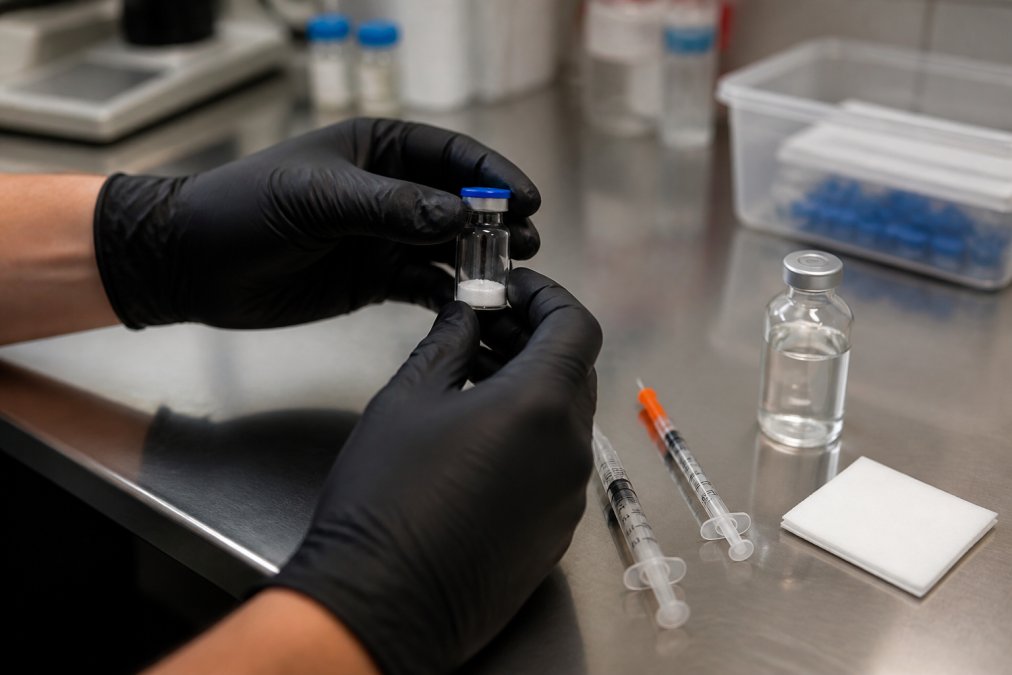
Lyophilized peptides (the powder form in which most research peptides are supplied) must be stored at -20°C or colder. Many researchers use -80°C freezers for extended storage, which can preserve peptide stability for years. Once you receive a peptide vial from a supplier like Rejuvenation Wellness Solutions LLC, store it immediately in the freezer. Do not leave it at room temperature, even briefly. Temperature fluctuations accelerate degradation, so avoid repeatedly thawing and refreezing the same vial.
Reconstituted peptides (mixed with bacteriostatic water) are far more fragile. Once mixed, peptides should be stored at 2-8°C in a standard refrigerator, not the freezer. This temperature range slows bacterial growth while maintaining peptide stability. Most reconstituted peptides remain stable for 2-4 weeks under refrigeration, though this varies by peptide type (peer-reviewed research). Check the stability data on your Certificate of Analysis for the specific peptide you’re using.
Handling practices directly affect peptide degradation. Always use sterile syringes and alcohol swabs when drawing peptides. Bacterial contamination can degrade peptides rapidly and compromise your research data. Use a clean, dry work surface. Moisture accelerates degradation, so keep peptide vials away from humid environments. When reconstituting, use only bacteriostatic water, never distilled water or saline, which lack the antimicrobial properties needed to prevent contamination.
Documentation is essential. Record the date you receive each peptide, the date you reconstitute it, and the storage temperature. This creates a clear audit trail for your research and helps you understand peptide stability across your experiments. If you notice visible particulates, discoloration, or cloudiness in a reconstituted peptide, discard it, these are signs of degradation or contamination.
Rejuvenation Wellness Solutions LLC supplies every peptide with comprehensive product kits that include bacteriostatic dilution water, sterile syringes, and alcohol swabs. This eliminates guesswork about which materials are appropriate for reconstitution. Using the correct materials from the start prevents contamination and ensures your peptides remain stable throughout your research protocol.
A Certificate of Analysis (CoA) is your verification document, it confirms the peptide’s purity, identity, and safety. Every research-grade peptide should come with an independent lab test report. Understanding how to read this document ensures you’re working with the material you ordered and that it meets your research specifications.
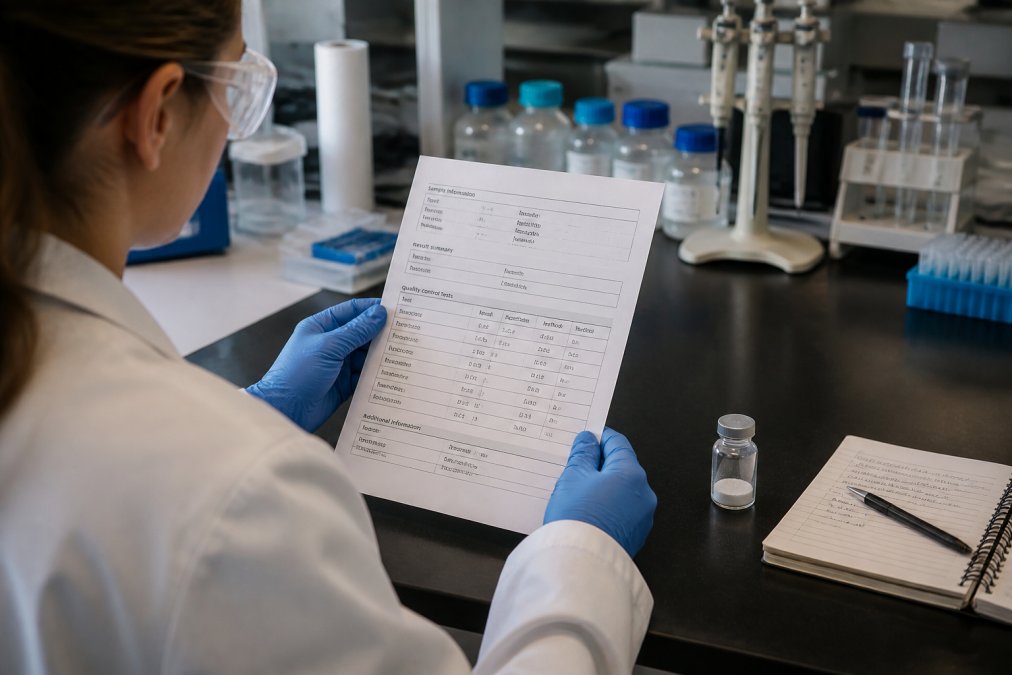
The CoA typically includes several key sections. Peptide Identity confirms the peptide name, sequence, and molecular weight. This section verifies that the vial contains exactly what you ordered, not a substitution or contaminated batch. Check the molecular weight against the known specification for that peptide. A significant deviation indicates a problem.
Purity Analysis is the most critical section. High-performance liquid chromatography (HPLC) is the standard method for measuring peptide purity. The CoA will state the percentage purity, typically 99% or higher for research-grade peptides. This percentage tells you what portion of the vial’s contents is the actual peptide versus impurities or degradation products. A peptide at 98% purity is acceptable for most research; below 95% suggests quality issues.
Microbial Testing confirms the absence of bacterial or fungal contamination. The CoA will typically report results as "Not Detected" or provide colony-forming unit (CFU) counts. For research peptides, you want to see either no detectable contamination or counts below 10 CFU/mL. Higher counts compromise your research validity and pose safety risks.
Water Content (moisture analysis) appears on most CoAs. Lyophilized peptides should have water content below 5%. Higher moisture indicates incomplete freeze-drying or improper storage, both of which accelerate degradation.
Heavy Metals Testing screens for lead, arsenic, cadmium, and mercury. These contaminants can interfere with cellular research and compromise data integrity. The CoA should show all heavy metals below detectable limits or within acceptable ranges (typically <2 ppm per metal).
Endotoxin Testing is especially important if you’re planning any in vitro or animal model research. Endotoxins are bacterial lipopolysaccharides that trigger immune responses. The CoA should report endotoxin levels in EU/mL (Endotoxin Units per milliliter), typically <0.1 EU/mL for high-quality research peptides.
When you receive a peptide from Rejuvenation Wellness Solutions LLC, the CoA is included with every order. Review it before beginning your research. If any result falls outside expected ranges, contact the supplier immediately. A reputable supplier will stand behind their product and investigate discrepancies. This verification step takes five minutes and protects the integrity of your entire research project.
Research with peptides requires awareness of potential risks and limitations. While peptides are generally considered safer than many pharmaceutical compounds due to their specificity and natural origins, they are not without concerns. Understanding these considerations is essential for designing rigorous, ethical research protocols.
Immunogenicity is a primary concern with synthetic peptides. The body’s immune system may recognize certain peptide sequences as foreign and mount an immune response. This can reduce the peptide’s effectiveness over time and trigger inflammatory reactions. Researchers studying long-term peptide effects must account for this possibility and include immunological markers in their protocols.
Off-target effects occur when a peptide binds to unintended receptors. GHRP-2, for example, increases cortisol and prolactin alongside growth hormone, effects that complicate data interpretation. When designing experiments, researchers must measure multiple hormonal markers, not just the primary target. This ensures you understand the full scope of the peptide’s effects.
Injection site reactions are common in research models receiving injectable peptides. Local inflammation, redness, or sterile abscess formation can occur. Using proper injection technique, rotating injection sites, and maintaining strict sterility protocols minimize these reactions. Always use sterile, bacteriostatic water for reconstitution and sterile syringes for administration.
Drug interactions represent a significant gap in current peptide research. Limited data exists on how peptides interact with common medications or supplements. If your research involves subjects taking other compounds, consult available literature and consider pharmacokinetic interactions. This is especially important for peptides affecting hormone levels, which may interact with hormone-based medications.
Regulatory status varies by peptide and jurisdiction. Most research peptides exist in a gray area, they are not FDA-approved for human use, but they are legal to purchase for research purposes. However, regulations around peptide research are evolving. Always verify the legal status of your research protocol with institutional review boards (IRBs) and ensure compliance with local regulations.
Purity and contamination directly impact safety. Impure peptides may contain degradation products or synthesis byproducts with unknown effects. This is why independent lab testing through a Certificate of Analysis is non-negotiable. Rejuvenation Wellness Solutions LLC partners with WHO/GMP and ISO-certified manufacturers to ensure every batch meets stringent purity standards.
Peptide cycling protocols are an area where research remains limited. Some practitioners advocate for cycling peptides (using them for a period, then taking a break) to prevent tolerance or immunogenicity. However, rigorous scientific data supporting optimal cycling protocols is sparse. Researchers designing long-term studies should include measures of peptide efficacy over time and adjust protocols based on observed outcomes.
Bioavailability differences between delivery methods significantly affect research outcomes. Injectable peptides achieve higher bioavailability than topical or oral forms, but they also carry higher risks of injection site reactions and systemic effects. Oral peptides may be degraded by stomach acid unless they have special stability properties like BPC-157. Topical peptides face the challenge of skin barrier penetration. Choose your delivery method based on your research objectives and the peptide’s known properties.
The 5 common peptide types and their functions, growth hormone secretagogues, tissue repair peptides, and neurological research peptides, represent the foundation of modern peptide research. Understanding how each peptide works at the cellular level, how to store and handle them properly, and how to verify their quality through Certificates of Analysis are essential skills for any researcher working with these compounds.
Research with peptides demands precision, attention to detail, and access to high-quality materials. At Rejuvenation Wellness Solutions LLC, we supply 99%+ pure research peptides with independent lab testing, comprehensive product kits including bacteriostatic water and sterile syringes, and same-day order fulfillment with UPS 2-day air shipping. Our partnership with WHO/GMP and ISO-certified manufacturers ensures every peptide meets the highest standards for your research. When you’re ready to advance your peptide research with materials you can trust, Shop with Rejuvenation Wellness Solutions LLC and reach our team by text, phone, or email within hours.
Peptides fall into several functional categories: growth hormone secretagogues (like GHRP-2 and Ipamorelin) that interact with ghrelin receptors, tissue repair peptides (BPC-157, TB-500) that support cellular signaling and recovery, sleep and neurological peptides (DSIP) that influence sleep structure, receptor agonists (PT-141, Melanotan II) that target specific cellular pathways, and signaling peptides that regulate various biological processes. Each peptide type consists of amino acid chains that bind to specific receptors, triggering distinct cellular responses used in research applications.
A peptide's specific sequence of amino acids determines which cellular receptors it binds to and what biological response it triggers. For example, growth hormone secretagogues like Ipamorelin bind to growth hormone secretagogue receptors, while BPC-157 works through different cellular signaling pathways to support tissue repair. The length, order, and chemical properties of amino acid chains in each peptide type create distinct bioavailability and therapeutic potential. This is why researchers verify amino acid sequences through certificates of analysis before use.
A quality certificate of analysis should verify purity (ideally 99%+ for research-grade peptides), confirm the peptide's molecular weight and amino acid sequence, and include HPLC or mass spectrometry test results. Check that the testing was performed by an independent third-party laboratory and that results match the peptide type you ordered. The certificate should also include the batch number, testing date, and storage recommendations. Rejuvenation Wellness Solutions provides a Certificate of Analysis with every order to ensure you receive verified, high-purity peptides for your research.
Most research peptides should be stored in a cool, dry place, typically at 2-8°C (refrigerator temperature) before reconstitution. Keep vials in their original sealed containers away from light and moisture. Once reconstituted with bacteriostatic water, store the solution in the refrigerator and use within the recommended timeframe (usually 2-4 weeks depending on the peptide). Lyophilized (freeze-dried) peptides remain stable longer than liquid solutions. Always check your peptide's specific storage instructions on the label and Certificate of Analysis for optimal preservation of purity and potency.
No, different peptide types are designed for distinct research purposes based on their amino acid chains and cellular interactions. Growth hormone secretagogues like GHRP-2 focus on metabolic and muscle research, while BPC-157 and TB-500 target tissue repair and recovery mechanisms. DSIP is used for sleep and neurological studies, and receptor agonists like PT-141 examine central nervous system pathways. Selecting the right peptide type depends on your specific research goals, desired cellular signaling pathway, and bioavailability needs. Rejuvenation Wellness Solutions can help match the right peptide to your research protocol.
This article was written using GrandRanker