
Last Updated: August 24, 2026
Peptides are short chains of amino acids that function as signaling molecules in the body, triggering specific biological responses ranging from tissue repair to metabolic regulation. Unlike proteins, which contain 50 or more amino acids, peptides typically consist of 2 to 50 amino acids linked together (peer-reviewed research). This structural difference gives peptides unique advantages: they’re smaller, more easily absorbed, and can cross biological barriers that larger proteins cannot.
At Rejuvenation Wellness Solutions LLC, we work with individual researchers and clinical teams who need reliable, high-purity peptides for legitimate scientific investigation. The peptide research landscape has shifted dramatically over the past few years, making these molecules increasingly accessible to qualified independent researchers aged 21 and over who conduct their own scientific studies.
A peptide’s structure, the specific sequence and arrangement of its amino acids, determines its function entirely. Change even one amino acid in the chain, and the entire biological effect can shift dramatically or disappear altogether.
Each amino acid carries specific chemical properties: some are hydrophobic (water-repelling), others are hydrophilic (water-attracting), and some carry electrical charges. The way these properties arrange in three-dimensional space determines how the peptide interacts with cell receptors. When a peptide encounters the right receptor, like a key fitting into a lock, it triggers a cascade of biological responses.
This is why purity matters critically in peptide research. A peptide that’s 95% pure versus 99%+ pure is fundamentally compromised. The impurities and degradation products can bind to receptors unpredictably, create off-target effects, and invalidate research results. Rejuvenation Wellness Solutions LLC partners exclusively with WHO/GMP and ISO-certified manufacturers and 503B compounding pharmacies that verify purity through independent lab testing with a Certificate of Analysis for every batch.
Peptides function through receptor signaling. When a peptide enters circulation or reaches target tissues, it searches for specific receptors on cell surfaces or inside cells that recognize and bind to that particular peptide. This binding event triggers a signaling cascade inside the cell that activates genes, triggers enzyme production, increases protein synthesis, or stimulates the release of other hormones.
This specificity is both the power and the challenge of peptide therapy. Peptides can be extraordinarily targeted, they can tell muscle cells to increase protein synthesis without affecting fat cells. But understanding the mechanism of action for each peptide is essential before using it.
The timeline of response varies significantly. Some peptides show effects within hours (like growth hormone secretagogues, which trigger GH release within 15-30 minutes of injection). Others accumulate effects over days or weeks as they influence protein synthesis and tissue remodeling. BPC-157, a peptide known for tissue repair support, typically requires 4-12 weeks of consistent administration before research subjects report noticeable changes in recovery time or tissue quality.
The peptide research space includes hundreds of distinct molecules, each with different structures and functions. For beginners, focusing on the most commonly researched categories provides a practical foundation.
BPC-157 is a 15-amino acid peptide derived from a protective protein found in gastric juice, studied for its potential role in supporting tissue repair and recovery. In research settings, BPC-157 is investigated primarily for its effects on musculoskeletal recovery, gut barrier function, and neurological support.
The mechanism appears to involve increased growth factor signaling and enhanced collagen production in damaged tissues. Animal studies have shown that BPC-157 administration correlates with faster recovery timelines in tendon and ligament injuries, improved muscle healing, and enhanced wound closure.
For beginners considering BPC-157 research, the typical protocol involves subcutaneous injection at dosages ranging from 250-500 micrograms per administration, with frequency varying from daily to several times weekly depending on the research design (peer-reviewed research). Administration timelines typically span 4-12 weeks to observe measurable tissue changes.
GLP-1 receptor agonists are peptides that activate glucagon-like peptide-1 receptors, which regulate glucose homeostasis, appetite signaling, and metabolic rate. Semaglutide and tirzepatide are the most widely recognized examples in this category.
These peptides work by enhancing insulin secretion when blood glucose rises, slowing gastric emptying to extend satiety, and increasing energy expenditure. In research contexts, GLP-1 agonists are studied for metabolic health optimization, weight management support, and cardiovascular benefit potential.
Administration typically occurs via subcutaneous injection once weekly, with dosages escalating gradually over weeks to minimize gastrointestinal side effects. Research protocols often span 8-16 weeks to assess metabolic markers and body composition changes.
Growth hormone secretagogues (GHS) are peptides that stimulate the pituitary gland to release growth hormone, rather than delivering GH directly. Common examples include GHRP-2, GHRP-6, and ipamorelin.
The advantage of secretagogues over direct GH administration is that they work with the body’s natural feedback mechanisms, potentially allowing for more physiological hormone patterns. Research on GHS peptides focuses on muscle hypertrophy, recovery enhancement, bone density support, and metabolic optimization.
Typical protocols involve subcutaneous or intramuscular injection, often combined with a GHRH peptide to enhance the GH secretion response. Dosages and frequencies vary widely depending on research objectives, but common approaches include 100-200 microgram doses administered 2-3 times daily or as part of a stacked protocol.
A Certificate of Analysis (CoA) is your primary verification tool for peptide purity and identity. This document, provided by an independent third-party laboratory, contains the actual analytical results for the specific batch you’re purchasing. (Source: the U.S. Food and Drug Administration (FDA) emphasizes the importance of Good Manufacturing Practices (GMP))
The CoA begins with batch identification: the peptide name, batch number, manufacturing date, and expiration date. Next comes the purity analysis, typically expressed as a percentage. A legitimate CoA will show 99%+ purity for research-grade peptides. Anything below 98% raises questions about manufacturing quality or storage conditions.

The CoA lists the analytical methods used: HPLC (High-Performance Liquid Chromatography) for purity determination, mass spectrometry for identity confirmation, and sometimes endotoxin testing for sterility. The document also identifies any detected contaminants or degradation products listed by percentage. Legitimate suppliers will disclose these openly.
Finally, check the laboratory’s credentials. The testing facility should be ISO 17025 accredited, which means it meets international standards for testing competence. Rejuvenation Wellness Solutions LLC ensures every product undergoes independent lab testing with a Certificate of Analysis.
Peptides are fragile molecules that degrade when exposed to heat, light, moisture, and repeated freeze-thaw cycles. Proper storage directly impacts research quality and cost-effectiveness.
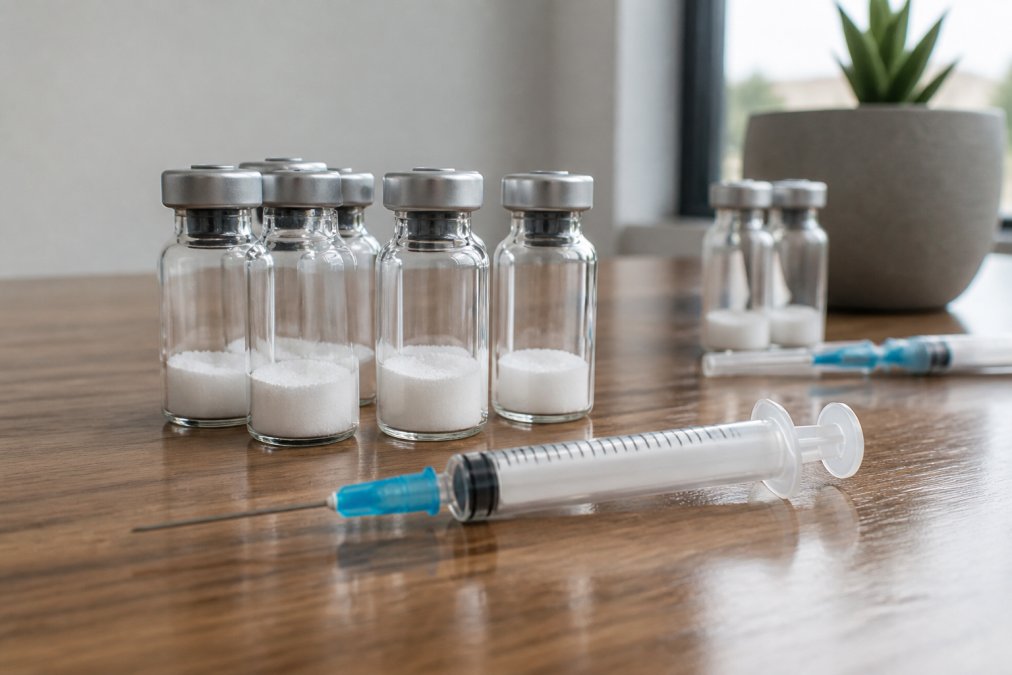
Lyophilized (freeze-dried) peptides should be stored at 2-8°C in a standard refrigerator, or at -20°C in a freezer for long-term storage. Once reconstituted with bacteriostatic water, the solution typically remains stable for 2-4 weeks at 2-8°C, depending on the specific peptide.
Bacteriostatic water is the standard reconstitution medium for research peptides. This water contains 0.9% benzyl alcohol as a preservative, which prevents bacterial growth. When reconstituting, use sterile syringes and needles, and maintain aseptic technique throughout.
Light exposure degrades many peptides rapidly. Store reconstituted solutions in amber or opaque vials, away from direct sunlight. Freeze-thaw cycles cause peptide aggregation and degradation. If you reconstitute a peptide solution, divide it into smaller aliquots before freezing so you thaw only what you need for a single research session.
Peptide research exists in a regulated space that requires careful attention to legal frameworks and safety practices.
From a regulatory perspective, peptides intended for human consumption or medical use fall under FDA jurisdiction in the United States. Most research peptides are sold explicitly "for research purposes only," which positions them outside direct FDA approval pathways. However, this doesn’t mean they’re unregulated, the responsibility for safe use falls on the researcher. Individual researchers aged 21 and over can legally purchase research peptides for personal scientific investigation in the United States, provided the peptides are sourced from legitimate suppliers who verify purity and provide documentation. Rejuvenation Wellness Solutions LLC operates within these parameters, serving individual researchers and clinical teams with verified, high-purity peptides and comprehensive product kits.
Before beginning any peptide protocol, consult with a qualified healthcare provider who understands peptide research. A medical professional can review your health history, identify potential drug interactions, order baseline blood work, and establish monitoring protocols. Many peptides influence hormone levels, immune function, or cardiovascular parameters in ways that require professional oversight.
Injection safety is non-negotiable. Use sterile, single-use syringes and needles. Rotate injection sites to prevent lipodystrophy. Follow aseptic technique: clean the injection site with an alcohol swab, allow it to dry, and inject at the appropriate depth for subcutaneous or intramuscular administration.
Post-cycle therapy (PCT) and maintenance protocols matter significantly. If you’re using peptides that stimulate hormone production, your body may experience adaptation after discontinuation. Planning for a structured recovery phase prevents unwanted rebounds or hormonal dysregulation. This typically involves gradually tapering doses rather than stopping abruptly.
Drug-peptide interactions are real. If you’re taking medications, particularly those affecting cardiovascular function, blood glucose, or thyroid hormones, certain peptides can amplify or interfere with those effects. A healthcare provider can identify these interactions and adjust protocols accordingly.
Beginning peptide research requires a structured approach. Start with education by reading published research on your peptide of interest, understanding the proposed mechanism, and familiarizing yourself with typical protocols.
Next, establish medical oversight by finding a healthcare provider experienced with peptide research. They should order baseline blood work, metabolic panel, hormone levels, lipids, and liver and kidney function to establish your starting point.
Source your peptides from a verified supplier. Rejuvenation Wellness Solutions LLC provides same-day order fulfillment with UPS 2-day air shipping. Every product undergoes independent lab testing with a Certificate of Analysis. Request the CoA before ordering and verify the purity percentage.
Invest in proper administration supplies. Single-use sterile syringes, proper gauge needles, alcohol swabs, and bacteriostatic water should all come from reliable sources. Rejuvenation Wellness Solutions LLC offers comprehensive product kits that bundle these essentials together.
Start with a single peptide at a conservative dose. Don’t stack multiple peptides initially, this prevents you from identifying which compound is responsible for any effects or side effects. Once you understand how your body responds over 4-8 weeks, you can consider adding a second compound if your research design calls for it.
Monitor yourself rigorously by keeping detailed logs of administration dates, times, doses, and any observed effects or side effects. Schedule follow-up blood work at predetermined intervals, typically 4 weeks into your protocol and again at the end.
Reach out to Rejuvenation Wellness Solutions LLC directly if you have questions. Our team is available by text message, phone, and email within hours. We’re here to support your peptide research with reliable products and responsive customer service.
BPC-157, MOTS-c, and growth hormone secretagogues are widely studied for tissue repair, metabolic health, and muscle development. GLP-1 receptor agonists like semaglutide and tirzepatide are prominent for metabolic applications. Beginners should start with single-peptide research rather than stacking multiple compounds. Medical supervision is essential before starting any peptide protocol. Always verify purity through a Certificate of Analysis from an independent laboratory before use.
A Certificate of Analysis should show purity testing results of 99% or higher, performed by a third-party laboratory independent of the manufacturer. Look for specific testing methods (HPLC, mass spectrometry) and batch numbers matching your order. Verify the lab's credentials and request the full report before purchase. Reputable suppliers like those partnered with WHO/GMP and ISO-certified manufacturers provide these reports with every shipment. Never accept verbal assurances without documented lab verification.
Handle peptides in a clean, controlled environment using sterile syringes and bacteriostatic water for reconstitution. Maintain proper storage at 2-8°C for most peptides after reconstitution. Use alcohol swabs to sanitize injection sites and vial tops. Start with low dosages and monitor for adverse reactions. Keep detailed records of administration, dosage, and any effects observed. Consult with a healthcare professional before beginning any peptide protocol. Post-cycle therapy and maintenance planning should be discussed with a medical supervisor.
Peptides sold for research purposes are legal to purchase by individuals aged 21 and over for laboratory research and clinical trials. FDA-approved peptides like semaglutide are prescription medications and require a healthcare provider's oversight. Research-grade peptides are sold explicitly for scientific study, not for human consumption. Individual researchers should verify compliance with local regulations and ensure they have appropriate laboratory facilities and medical supervision. Consult legal counsel if uncertain about your specific research protocol's regulatory status.
Peptide research is advancing rapidly, and the tools available to independent researchers have never been more sophisticated. But sophistication demands responsibility. Source from verified suppliers who prioritize purity and transparency. Work with medical professionals who understand your goals. Follow safety protocols religiously. With these foundations in place, you can conduct meaningful research and achieve your scientific objectives with confidence.
This article was written using GrandRanker