


Last Updated: August 16, 2026
Buying research peptides from an unreliable supplier can derail months of work. Contaminated batches, inconsistent purity, or undocumented synthesis methods compromise research integrity and invalidate results. A supplier’s claims about purity mean nothing without documentation. You need to know the analytical methods used, actual purity percentage, batch-to-batch consistency, and whether peptides meet regulatory standards for your use case.
At Rejuvenation Wellness Solutions LLC, we understand this pressure. Our approach centers on complete transparency: every product comes with independent lab testing, a Certificate of Analysis, and partnerships with WHO/GMP and ISO-certified manufacturers. This guide walks you through evaluating any peptide supplier, identifying red flags, and interpreting technical documentation that separates legitimate suppliers from those cutting corners.
The difference between research-use only (RUO) and pharmaceutical-grade peptides determines what you can do with them and how rigorously they’ve been tested.
Research-use only peptides are manufactured for laboratory and experimental purposes. They’re tested for identity and purity but not under the same regulatory scrutiny as pharmaceutical-grade compounds. RUO peptides are appropriate for most independent research, clinical trial preparatory work, and institutional laboratory studies. They’re typically more affordable because manufacturers don’t bear pharmaceutical production compliance costs.
Pharmaceutical-grade peptides follow Good Manufacturing Practice (GMP) standards set by regulatory bodies. They undergo additional stability testing, sterility assays, and documentation requirements, manufactured in facilities with strict quality control protocols. They’re suitable for human clinical use or regulatory submissions but cost significantly more.
The key question: does your research require pharmaceutical-grade standards, or will RUO-grade work? If you’re running an institutional study or clinical trial, pharmaceutical-grade is non-negotiable. If you’re conducting basic research or proof-of-concept work, RUO-grade from a reputable supplier with solid testing protocols will suffice. Never assume a supplier’s grade classification without verification, ask directly and request manufacturing certifications.
Two analytical methods dominate peptide quality verification: high-performance liquid chromatography (HPLC) and mass spectrometry. Understanding what these tests measure is critical when evaluating peptide supplier quality standards.
High-performance liquid chromatography separates peptide components by size and chemical properties, revealing purity percentage and identifying contaminants. HPLC tells you what fraction of your sample is the actual peptide you ordered versus degradation products or synthesis byproducts. A supplier claiming 99% purity should back that claim with HPLC data showing the peak at 99% of total peak area. HPLC results appear as chromatograms with peaks at different retention times, each peak represents a different compound. The largest peak should be your peptide; smaller peaks indicate impurities. A reputable supplier’s HPLC shows a dominant single peak with minimal secondary peaks.
Mass spectrometry confirms peptide identity by measuring molecular weight with extreme precision. MS data shows the exact mass of the peptide, which must match the calculated mass for your specific amino acid sequence. This prevents receiving a different peptide entirely. MS also detects post-translational modifications or unexpected chemical changes.
Both tests are standard for legitimate suppliers. If a supplier offers only one or neither, that’s a red flag when evaluating peptide supplier quality standards.
A Certificate of Analysis (COA) is your primary document for verifying what you received. Learning to read one is essential when evaluating peptide supplier quality standards.

The COA should include: lot number and date (identifying which batch and when manufactured), peptide sequence and modifications (exact amino acid sequence and chemical modifications), purity percentage (typically above 95%; 99%+ is excellent), molecular weight (matching calculated mass for your sequence), HPLC chromatogram (showing dominant peak representing your peptide), mass spectrometry data (confirming observed molecular weight matches theoretical value), endotoxin levels (detecting bacterial contamination for cellular or animal studies), water content (important for storage and dosing accuracy), and synthesis method (documenting how the peptide was made).
Red flags include missing sections, vague descriptions (e.g., "purity >90%" instead of specific numbers), undated chromatograms, or no MS data. A legitimate supplier’s COA is detailed, specific, and traceable to their lab’s standard operating procedures. Compare multiple suppliers’ COAs side by side, you’ll quickly notice differences in testing depth.
Certain warning signs indicate a supplier cuts corners or operates with questionable practices. Recognizing these peptide vendor red flags protects you from wasted money and compromised research.
Missing or vague COAs are the biggest red flag. If a supplier won’t provide detailed analytical documentation, they’re hiding something. Unrealistically low prices compared to established suppliers suggest corners are being cut, legitimate peptide synthesis, purification, and testing cost real money. Lack of traceability means you can’t verify the peptide’s origin or synthesis method. No third-party testing indicates reliance only on in-house quality control. Unclear regulatory status is risky, suppliers should clearly state whether peptides are RUO or pharmaceutical-grade. Poor communication or unavailability signals problems; legitimate suppliers respond within hours. Inconsistent batch quality reported by other customers indicates weak processes.
Rejuvenation Wellness Solutions LLC addresses these concerns through same-day order fulfillment, rapid customer support via text, phone, and email, and complete transparency about manufacturing partnerships and testing protocols.
Independent verification from accredited testing laboratories adds critical confidence when evaluating peptide supplier quality standards. Third-party testing removes the conflict of interest inherent in supplier-conducted testing.
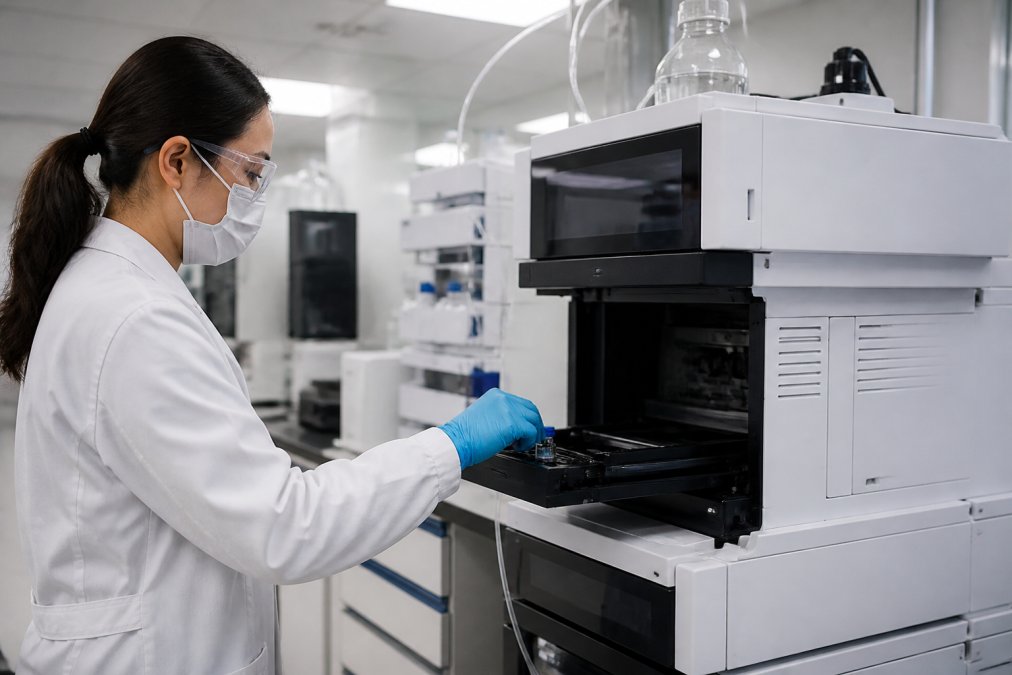
Accredited testing labs follow standardized protocols and maintain ISO certifications. They’re independent of the supplier, so they have no incentive to inflate purity numbers or overlook problems. Ask suppliers: Do you use third-party testing? Which labs? Can you provide their accreditation numbers?
What to verify about third-party labs:
Some suppliers include third-party testing as standard; others offer it as an expensive add-on. Inclusion in the base price signals confidence in product quality. For critical research or institutional orders, request that your own independent lab verify a sample from the batch.
Batch-to-batch consistency determines whether your results are reproducible. Traceability ensures you can trace problems back to their source. Regulatory compliance protects both you and the supplier legally.
Batch consistency means peptides from different manufacturing runs should have nearly identical purity, identity, and performance characteristics. Request COAs from multiple batches to verify consistency. Traceability documents the complete supply chain: where raw materials came from, which manufacturer synthesized the peptide, which lab tested it, and how it was stored and shipped. Chain of custody documentation shows who handled the peptide at each step, mandatory for regulatory submissions and institutional research.
Use this checklist when evaluating peptide supplier quality standards:
| Criterion | What to Verify | Why It Matters |
|---|---|---|
| Batch traceability | Lot number, synthesis date, test date on COA | Identifies which batch you received and when |
| Purity documentation | HPLC chromatogram with specific percentage | Confirms actual purity, not marketing claims |
| Identity verification | Mass spectrometry data matching theoretical MW | Ensures you received the correct peptide |
| Manufacturer certification | WHO/GMP or ISO certification numbers | Verifies manufacturing quality standards |
| Storage documentation | Temperature and humidity conditions recorded | Confirms peptide stability during storage |
| Third-party testing | Independent lab name and accreditation | Removes supplier bias from results |
| Regulatory status | Clear statement of RUO vs. pharmaceutical-grade | Clarifies legal use and compliance requirements |
Regulatory compliance varies by use case. If you’re conducting institutional research, your institution likely requires specific documentation. If you’re running a clinical trial, FDA regulations apply. Ask your supplier: What regulatory standards do your peptides meet? Can you provide documentation?
Rejuvenation Wellness Solutions LLC partners with WHO/GMP and ISO-certified manufacturers, ensuring compliance with international standards. Every product includes a Certificate of Analysis from independent testing.
Evaluating peptide supplier quality standards protects your research, budget, and credibility. The process boils down to three essentials: demand detailed analytical documentation (HPLC and mass spectrometry data), verify third-party testing from accredited labs, and confirm batch-to-batch consistency and full traceability.
Red flags, missing COAs, unrealistically low prices, poor communication, or vague regulatory status, are warnings to look elsewhere. Legitimate suppliers make their testing transparent, respond quickly to technical questions, and stand behind their products with comprehensive documentation.
Rejuvenation Wellness Solutions LLC simplifies this process by partnering with WHO/GMP and ISO-certified manufacturers, providing independent lab testing with every order, and offering same-day fulfillment with rapid customer support. When you need research peptides you can trust, explore our quality standards and product offerings to see how we apply these principles in practice. Get started with Rejuvenation Wellness Solutions LLC and access the high-purity peptide solutions your research deserves.
Legitimate peptide suppliers provide Certificate of Analysis documentation for every batch, partner with WHO/GMP and ISO-certified manufacturers, use third-party testing labs for independent verification, and maintain clear chain-of-custody records. Verify their certifications directly with the certifying bodies rather than trusting their claims alone. Ask for specific batch data before purchase, and check whether they offer traceability documentation that links your order to the exact manufacturing lot and testing results.
A complete Certificate of Analysis should include purity percentage (typically 95%+ for research-grade), identity confirmation via mass spectrometry or HPLC, moisture content, endotoxin levels, and batch-specific lot numbers. Cross-reference the reported purity against the supplier's claims, verify the testing lab's accreditation, and confirm the analysis date is recent. Look for specific molecular weight confirmation and any contaminant screening results. If the COA lacks detail or uses vague language, request clarification before proceeding.
Red flags include suppliers who refuse to provide Certificates of Analysis, claim 99%+ purity without third-party validation, offer prices significantly below market rates without explanation, lack verifiable certifications, provide vague manufacturing or sourcing information, and do not document storage conditions or stability data. Be cautious of vendors who cannot answer technical questions about synthesis methods, lyophilization processes, or trifluoroacetic acid content. Avoid suppliers with no auditable documentation or those who cannot trace materials back to raw material sourcing.
Third-party testing labs use high-performance liquid chromatography (HPLC) and mass spectrometry to independently confirm peptide identity, purity, and molecular weight. These labs operate outside the supplier's control, reducing bias and providing objective validation. They screen for contaminants, measure endotoxin levels, assess solubility testing results, and document stability data under standard storage conditions. Independent verification establishes a chain of custody and creates auditable documentation that meets regulatory compliance standards for research and clinical applications.
Research-use only peptides typically require 95% purity minimum, though some applications demand 98%+ purity. Pharmaceutical-grade standards are stricter and subject to FDA oversight for clinical use. Your specific purity requirement depends on your research protocol, analytical sensitivity, and whether results will inform clinical decisions. Contact your institutional review board or research advisor to confirm the appropriate standard. Always request batch-specific purity data rather than relying on general supplier claims, as purity can vary lot-to-lot even from the same manufacturer.
Request the supplier's actual certification documents and verify them directly with the certifying bodies. WHO/GMP certifications can be checked through the WHO's prequalification program, while ISO certifications should be verifiable through the International Organization for Standardization database. For 503B compounding pharmacy partnerships, confirm status through state pharmacy boards or the FDA's list of registered outsourcing facilities. Do not accept verbal assurances; ask for documentation and take time to independently confirm all claims before committing to a supplier relationship.
Document the issue with detailed notes and the batch lot number, then contact the supplier immediately with your concerns and request their quality assurance process. Request a copy of the Certificate of Analysis for that specific batch and compare it against your requirements. Many suppliers offer batch replacement or refund options if quality standards are not met, though policies vary. Escalate to the testing lab if you suspect the COA is inaccurate. For institutional research, document the failure for your records and consider filing a complaint with your institution's research integrity office if the supplier cannot resolve the issue satisfactorily.
This article was written using GrandRanker








