


Last Updated: September 12, 2026
Research peptides are short chains of amino acids sold for laboratory investigation rather than for human consumption, which is the single most important distinction between them and prescription peptide drugs. This guide from Rejuvenation Wellness Solutions LLC covers what researchers observe in practice, where the genuine risks sit, and how to tell a quality supplier from a careless one.
The difference matters because it changes everything about how you evaluate safety. A prescription peptide drug has been through clinical trials, has a defined therapeutic index, and carries a label listing known adverse events (the FDA). A research peptide has none of that. It arrives with a Certificate of Analysis, not a package insert.
That gap is where most confusion starts. Researchers reasonably ask about the common side effects of research peptides, and the honest answer is that the side effect profile depends heavily on purity, dosage accuracy, and the route of administration, not just on the compound itself.
Peptides are biologically active molecules, meaning they interact with receptors and signaling pathways in the body. That is precisely why they are studied. It is also why a vial that is 85% pure instead of 99% pure is not a minor quality issue. The remaining 15% could include synthesis byproducts that produce effects nobody is tracking.
The most frequently reported side effects of research peptides are injection site reactions, gastrointestinal distress, headaches, and flu-like symptoms (PubMed). These generally appear within hours to days of administration and are usually transient, but severity varies widely with dosage sensitivity and individual response.
Understanding why requires looking at two separate categories: local reactions where the needle meets tissue, and systemic effects that follow absorption into circulation.
Injection site reactions are the most common complaint among researchers working with injectable peptides, and they are also the most predictable. Redness, swelling, tenderness, and a small nodule under the skin are typical presentations following subcutaneous injection.
A common mistake is assuming any reaction signals a bad batch. In practice, minor local irritation can come from the injection technique itself, the volume injected, or sensitivity to bacteriostatic water rather than the peptide.
That said, some reactions do point to a quality problem. Persistent lumps that last more than a week, spreading redness, or warmth at the site warrant stopping and re-evaluating the source material. Sterile technique and rotating injection sites reduce most of these issues before they start.
Systemic effects appear after the compound reaches circulation, and they tend to be dose-dependent. Gastrointestinal distress, including nausea and changes in appetite, is frequently described in anecdotal reports from researchers.
Headaches and fatigue often get grouped together, and many researchers describe a cluster of flu-like symptoms in the first days of a new protocol. These typically ease as the body adjusts, though that adjustment period is not something to push through blindly.
Peripheral edema, or swelling in the hands and feet, is less common but worth monitoring. So is any change in hormonal regulation markers, particularly for peptides that interact with endocrine pathways.
| Side Effect Category | Typical Onset | Usual Duration | Mitigation |
|---|---|---|---|
| Injection site reaction | Minutes to hours | 1-3 days | Rotate sites, verify sterility |
| Gastrointestinal distress | Hours to days | Days to weeks | Reduce dose, split administration |
| Headaches and fatigue | First 24-72 hours | 3-7 days | Hydration, gradual ramp-up |
| Flu-like symptoms | First 24-48 hours | 2-5 days | Rest, monitor temperature |
| Peripheral edema | Days to weeks | Variable | Track fluid retention, consult professional |
Managing injection site reactions safely starts with technique, not with treatment. Most reactions that researchers attribute to a compound trace back to preparation and administration practices that could be tightened.
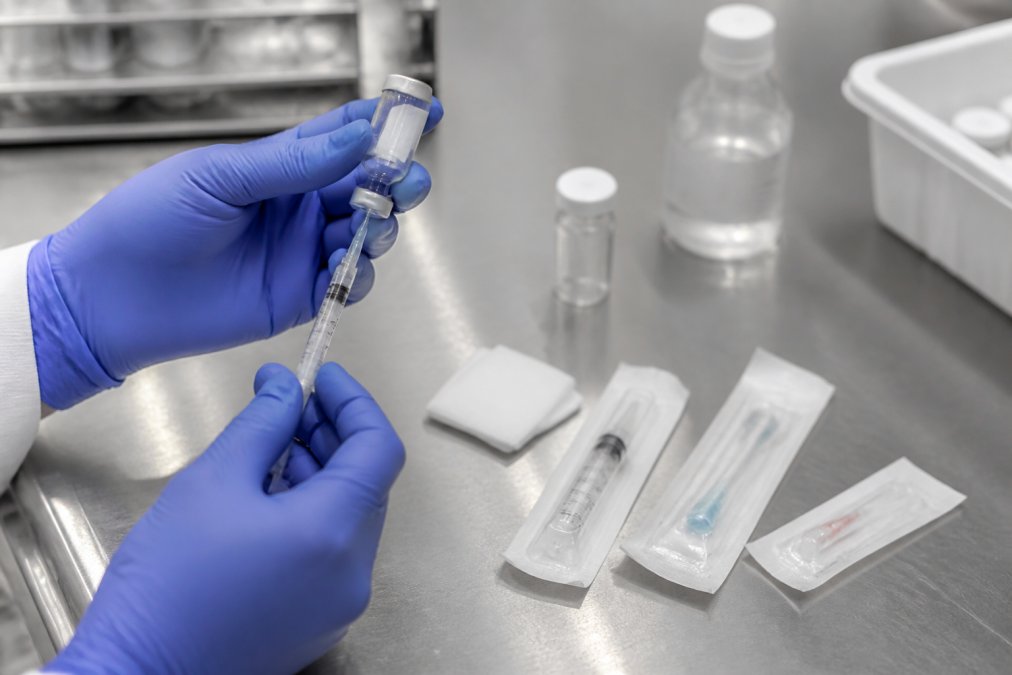
Start with the basics that experienced lab workers never skip:
For reactions that do occur, cold compresses help with swelling and warmth. Do not massage a new injection site, and do not inject into an area that is still reacting from a previous dose.
What most guides miss is the documentation angle. A simple log recording batch number, dose, site, and any reaction turns a vague complaint into usable data. If a pattern emerges across a batch, you have evidence rather than a hunch.
FDA regulation of research chemicals operates on a distinction that surprises many buyers: research peptides are not approved for human use, and selling them for that purpose is not permitted. The FDA guidance on compounded and research-use drugs draws a clear line between products intended for clinical use and those labeled for research only.
This is not a technicality. It means the safety net that covers prescription pharmaceuticals, including required adverse event reporting and standardized labeling, does not apply.
Compounding pharmacies registered under Section 503B operate under a different and stricter set of federal requirements than typical research suppliers. That distinction is one reason supplier verification matters more than price comparison.
Identifying high-purity peptide suppliers comes down to documentation you can verify independently, not claims printed on a website. Counterfeit and underdosed vials are a real problem in this market, and the consequences land on your research results, and, in self-administered settings, on the person injecting.
The counterfeit risk is not hypothetical, and it is not limited to “wrong peptide in the vial.” It shows up in four distinct failure modes, each with a different harm profile:
This is the specific danger of “research-grade” versus pharmaceutical-grade material. Pharmaceutical-grade peptides are manufactured under current Good Manufacturing Practice with defined limits on impurities, sterility, and endotoxin. Research-grade material is not held to those limits, and the label “for research use only” is a legal statement about intended use, not a quality guarantee.
The checklist below is worth running against any supplier before purchase:
But a checklist only helps if you know what the underlying data means. Two analytical methods do most of the work on a peptide COA:
HPLC (high-performance liquid chromatography) separates the components of a sample by how they travel through a column. On a peptide COA, the HPLC trace is a graph with a large main peak (your target peptide) and smaller surrounding peaks (impurities). A purity figure of 99% means the main peak accounts for 99% of the area under that curve. A COA that states “99% pure” without the chromatogram, the column type, or the detection wavelength is asking you to take the number on faith.
Mass spectrometry (MS) confirms molecular identity, that the molecule in the vial is actually the peptide on the label, at the expected molecular weight. Purity and identity are separate questions. A vial can be 99% pure and still be 99% pure of the wrong peptide. A credible COA reports both.
Certain language patterns correlate with unverified product:
Rejuvenation Wellness Solutions LLC partners with WHO/GMP and ISO-certified manufacturers and 503B compounding pharmacies, and every product undergoes independent lab testing with a Certificate of Analysis. Products are 99%+ pure, and comprehensive kits include peptides, bacteriostatic dilution water, syringes, and alcohol swabs so researchers are not assembling supplies from three different vendors. For individual researchers running small studies, that combination of documentation and complete kits removes a lot of the guesswork.
Contraindications and drug interactions are the area where self-directed research carries the most risk, largely because the information is incomplete by design. Research peptides have not been through the clinical trials that would map their interaction profiles.
Known areas of concern include compounds that affect hormonal regulation, which can interact with endocrine medications. Peptides influencing metabolic pathways raise similar questions for anyone managing blood sugar. Immunopathic damage and cytotoxicity are documented concerns for specific compounds at specific concentrations, and these vary enough that blanket statements are useless.
Certain groups should approach with particular caution, and this is general information rather than individual medical guidance:
If any of these apply, the right move is a conversation with a qualified healthcare professional before any research involving self-administration. No supplier, including ours, can substitute for that.
The side effect picture for research peptides is manageable but not trivial, and it depends on factors most buyers never check: purity documentation, dosage accuracy, injection technique, and honest awareness of contraindications. Getting those four things right prevents the majority of problems researchers report.
If you want a supplier who leads with documentation rather than marketing claims, Rejuvenation Wellness Solutions LLC provides 99%+ pure peptides with independent lab testing and a Certificate of Analysis on every batch, sourced through WHO/GMP and ISO-certified manufacturers and 503B compounding pharmacies. Same-day order fulfillment, UPS 2-day air shipping, and customer service reachable by text, phone, or email within hours keep your research moving.
Get started with Rejuvenation Wellness Solutions LLC and give your work the reliable, well-documented materials it deserves.
Research peptides can cause injection site reactions, gastrointestinal distress, headaches, fatigue, and flu-like symptoms. More serious concerns include hormonal disruption, systemic effects, and interactions with other substances. Because these compounds are often not FDA-approved for human use, their safety profiles are incomplete, and long-term effects remain largely unknown. Purity matters too: counterfeit or poorly manufactured peptides carry additional risks from contaminants and incorrect dosages. Always work with a qualified professional and source from suppliers that provide independent lab testing and a Certificate of Analysis.
Drug interactions depend on the specific peptide and what else you take. Some peptides affect hormonal regulation, blood sugar, or immune responses, which can amplify or interfere with medications for those systems. Combining peptides with alcohol, blood thinners, or other injectables may increase adverse events. Because research peptides often lack complete pharmacology data, interactions are not fully mapped. Review every substance you use with a qualified professional before combining anything, and keep a written record of dosages and timing to spot patterns if side effects appear.
People who are pregnant or breastfeeding, anyone under 21, and individuals with active cancer, uncontrolled hormonal conditions, or autoimmune disorders should avoid research peptides unless a qualified professional directs otherwise. Those taking prescription medications with narrow therapeutic indexes also face higher risk. Because research peptides are not approved for human consumption, anyone considering them should first discuss contraindications with a licensed clinician. Individual tolerance varies, and dosage sensitivity can differ widely, so medical supervision is essential before starting.
Purity testing directly affects safety because contaminants, incorrect peptide sequences, and residual solvents can cause adverse events that have nothing to do with the peptide itself. Independent lab testing with a Certificate of Analysis confirms identity, concentration, and purity, often verified at 99% or higher. Suppliers that publish batch-specific lab reports let researchers verify what is actually in the vial. Without that documentation, you cannot distinguish a legitimate compound from a counterfeit, and the risk of cytotoxicity or unexpected immunopathic damage rises significantly.
This article is for informational purposes only and does not constitute medical advice. Research peptides are not approved for human use. Consult a qualified healthcare professional regarding any health concerns or before self-administering any compound.








