
Last Updated: September 1, 2026
Custom peptide synthesis demands specialized equipment, skilled chemists, and rigorous HPLC purification to meet research-grade or clinical-grade standards. Each order requires dedicated attention: sequence validation, reaction optimization, and multiple quality assurance tests before shipping. For a single 20-amino acid peptide at 95% purity, expect substantial investment; modifications like phosphorylation or fluorescent labeling escalate costs further.
Pre-synthesized catalog peptides bypass design and optimization phases entirely. Recombinant proteins offer biological activity without synthesis overhead. Bulk purchasing distributes costs across multiple researchers. Understanding these cost-effective alternatives doesn’t mean settling for lower quality, it means matching research needs to the most efficient sourcing method.
At Rejuvenation Wellness Solutions LLC, we’ve worked with researchers who discovered they were paying premium prices for custom synthesis when catalog peptides would have delivered identical results. The difference between an informed purchasing decision and an uninformed one can mean thousands in savings per year.
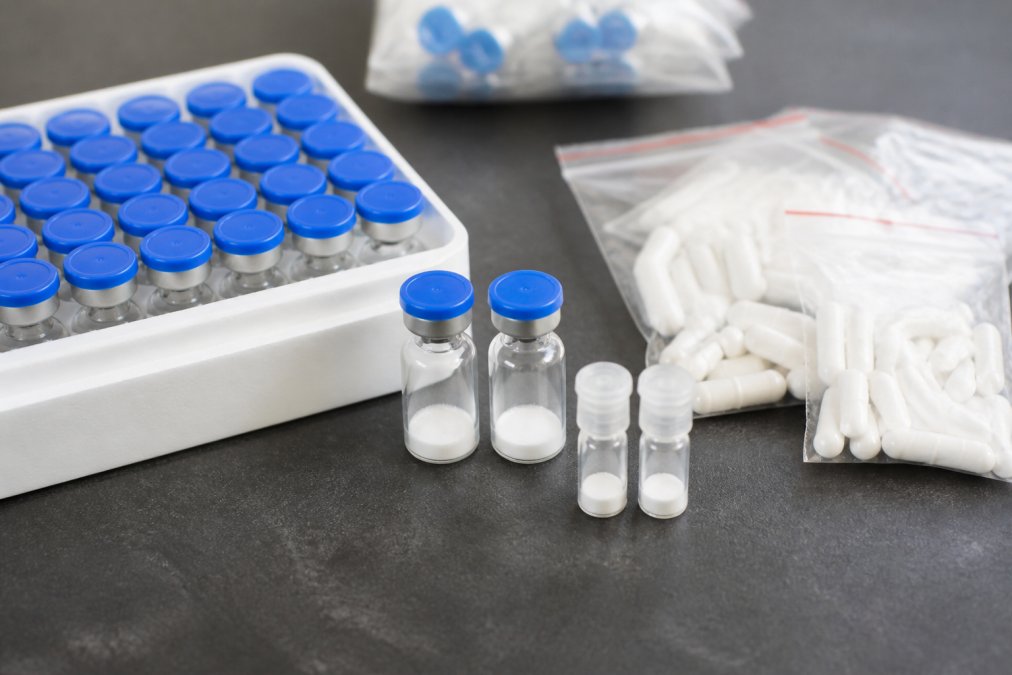
Catalog peptides represent the fastest, most economical entry point for researchers with standard sequence requirements. These pre-manufactured, purified peptides ship within days or hours, avoiding the entire synthesis timeline and splitting manufacturing costs across multiple buyers.
GenScript maintains over 200 in-stock peptides across diabetes, neuroscience, and cosmetics research, each HPLC purified and available in quantities from 0.5 mg to 100 mg. This flexibility lets you purchase exactly what you need without overcommitting capital.
AnaSpec offers over 1,000 catalog peptides manufactured in the US with guaranteed 95%+ purity by HPLC, spanning 11 research areas. US-based manufacturing typically translates to faster domestic shipping compared to international services.
Both providers offer custom synthesis as an upgrade path if your exact sequence isn’t available. A catalog peptide, delivered in days, frequently outperforms a custom order with a 4-6 week lead time. For researchers working with established targets like common growth factors or cytokines, this limitation rarely matters.
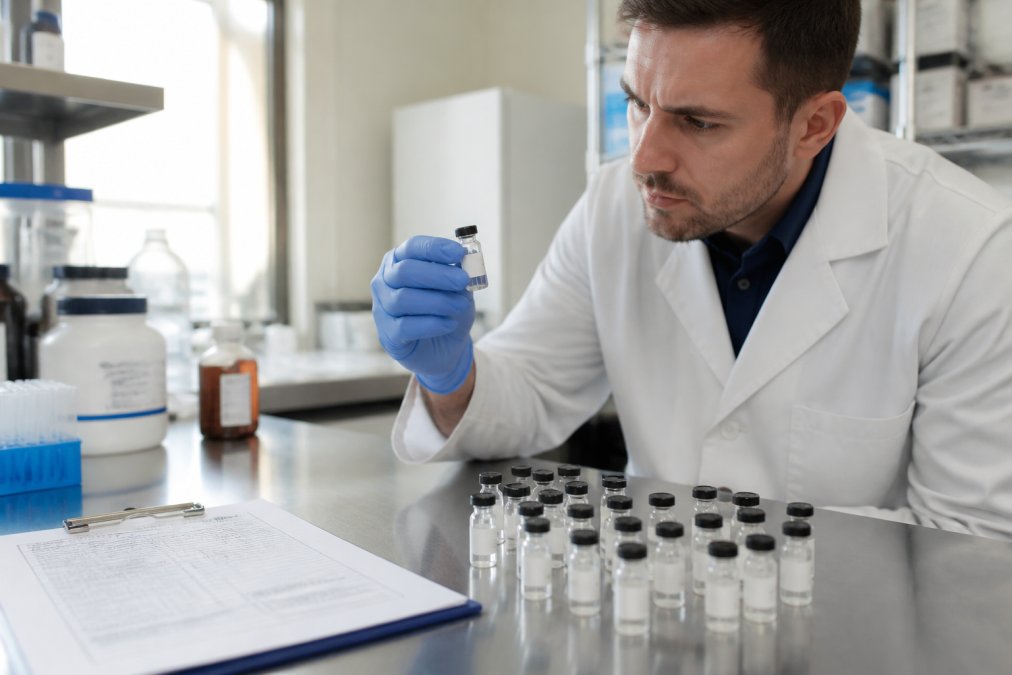
Tocris Bioscience specializes in biologically active peptides, signaling peptides, and targeting peptides for drug delivery research. Distributed through Fisher Scientific, Tocris peptides arrive with detailed specifications including molecular weight, formula, and HPLC purity data (typically 95%+). The focus on biologically active compounds means these peptides are pre-validated for specific research applications rather than generic sequences.
Bulk synthesis occupies a middle ground between catalog peptides and fully custom orders. When multiple researchers need the same sequence, pooling resources dramatically reduces per-unit costs. A peptide costing $200 custom in small quantities might cost $80 per unit when ordered in bulk by five researchers.
Manufacturers achieve better yield efficiency and cost amortization at higher volumes. A 100 mg order costs less per milligram than a 10 mg order of the same sequence. Coordination is the practical challenge, you need to identify collaborators, agree on specifications, and manage a single order that gets divided post-delivery. Some institutions formalize this through core facilities or purchasing consortiums.
Recombinant proteins are produced through genetic engineering, bacteria, yeast, or mammalian cells express the protein you need, which is then purified and isolated. For many research applications, recombinant proteins outperform synthetic peptides on cost-per-unit-of-activity, particularly for sequences longer than 30-40 amino acids (peer-reviewed research).
Recombinant proteins include post-translational modifications like glycosylation and phosphorylation that emerge naturally during cellular expression. For some research, these modifications enhance relevance to in-vivo biology; for others, they introduce unwanted variability. Synthetic peptides offer precise control; recombinant proteins offer biological authenticity at lower cost.
Cell therapy and tissue engineering workflows frequently favor recombinant proteins. Growth factors like FGF, VEGF, and TGF-beta are widely available as recombinants at competitive pricing.
Purity claims mean nothing without verification. A Certificate of Analysis (COA) is your proof that a peptide meets its stated purity specification. Before committing to any supplier, demand the COA and understand what it documents.
HPLC (high-performance liquid chromatography) is the standard analytical method for peptide purity assessment. A proper COA shows the HPLC chromatogram, peak retention times, and quantification of the main peptide versus impurities. Research-grade peptides typically meet 95% purity; clinical-grade formulations often exceed 99%.
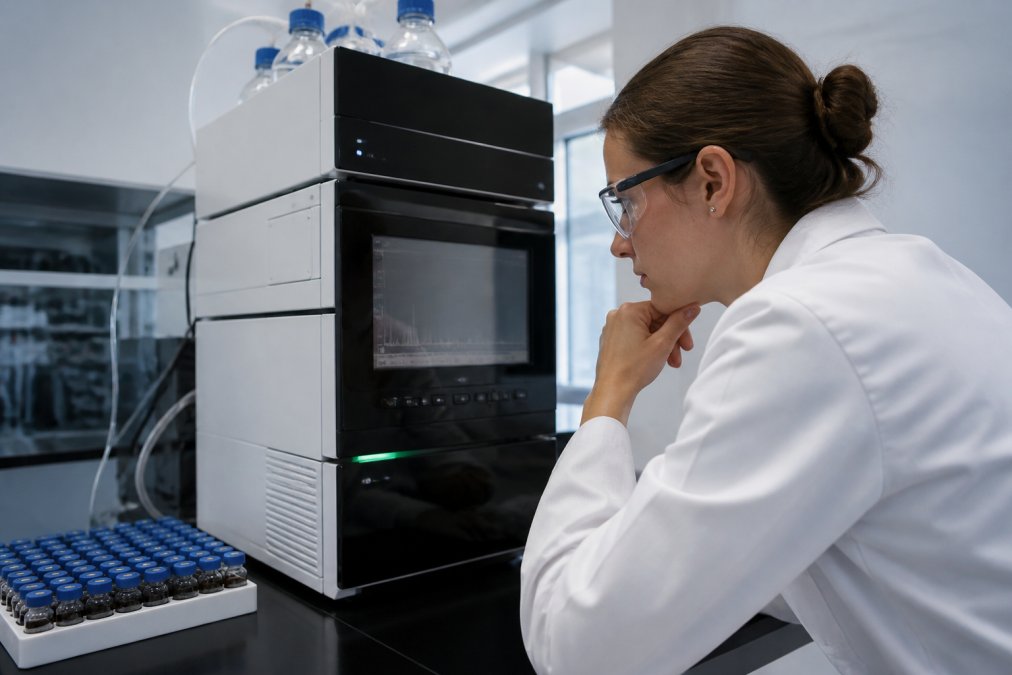
Mass spectrometry complements HPLC data by confirming the correct molecular weight and verifying that the synthesized sequence matches your specification. Combined, HPLC and mass spectrometry create a comprehensive purity profile.
When evaluating cost-effective alternatives to custom peptides, purity verification becomes critical. Catalog peptides and bulk orders should always include COA documentation. Rejuvenation Wellness Solutions LLC provides independent lab testing with a Certificate of Analysis for every product, ensuring you’re not sacrificing quality for cost savings. A COA stating “95% pure” without chromatographic data is meaningless; legitimate suppliers provide full analytical documentation.
The online peptide market has matured significantly, with dozens of vendors offering catalog peptides, custom synthesis, and bulk pricing through web platforms with instant quoting. Evaluating providers requires attention to several dimensions beyond price alone.
Purity and Quality Documentation: Verify that every peptide listing includes or offers access to a COA with purity specifications and mass spectrometry data. This is non-negotiable.
Turnaround Time and Delivery: Catalog peptides should ship within 2-5 business days; custom synthesis typically requires 4-8 weeks. Rejuvenation Wellness Solutions LLC offers same-day order fulfillment with UPS 2-day air shipping for in-stock items.
Modification Capabilities: Confirm the vendor supports your required modifications (phosphorylation, fluorescent labeling, etc.) and understand associated costs upfront.
Customer Support Responsiveness: Vendors should be reachable by email, phone, or text within hours. Rejuvenation Wellness Solutions LLC prioritizes accessibility through multiple contact channels.
Scalability and Volume Pricing: Confirm transparent volume discounts if you anticipate growing your research program.
Batch Consistency: For longitudinal studies, ask vendors about batch-to-batch consistency protocols, particularly important for recombinant proteins.
Batch size decisions directly impact both cost and environmental footprint. Small batch ordering (1-5 mg) maximizes flexibility but increases per-unit costs; large batch ordering (100+ mg) reduces per-unit cost but requires storage infrastructure and risks degradation.
Lyophilization (freeze-drying) extends shelf life significantly, allowing researchers to order larger batches without degradation risk. Lyophilized peptides remain stable for years under proper storage conditions, supporting both cost optimization and sustainability by reducing frequent reordering.
Rejuvenation Wellness Solutions LLC is expanding beyond injectable forms to topical and oral options, recognizing that different delivery methods optimize different research applications.
Cost-effective alternatives to custom peptides don’t require compromising on quality or research rigor. Catalog peptides deliver research-grade purity within days. Recombinant proteins offer biological authenticity at lower cost for many applications. Bulk synthesis and batch optimization unlock substantial savings for scaling research programs.
The key decision framework centers on three factors: sequence specificity, timeline urgency, and budget constraints. If your sequence exists in a catalog, that’s almost always the most economical path. If you need custom synthesis, bulk coordination and volume pricing dramatically improve cost-effectiveness. If biological authenticity matters more than synthetic precision, recombinant proteins often outperform synthetic alternatives economically.
Rejuvenation Wellness Solutions LLC helps researchers navigate these decisions by offering 99%+ pure peptides with independent lab testing and Certificates of Analysis, same-day order fulfillment, and responsive customer support. Whether you’re evaluating catalog options, coordinating bulk orders, or commissioning custom synthesis, we’re here to support your research with reliable, affordable, high-quality peptide solutions.
Choosing the right peptide supplier requires balancing cost, quality, and reliability. Rejuvenation Wellness Solutions LLC combines affordable, high-purity research peptides with WHO/GMP and ISO-certified manufacturing partnerships, ensuring every product meets rigorous standards. Our 99%+ pure peptides include comprehensive product kits with bacteriostatic dilution water, syringes, and alcohol swabs, everything you need to advance your research work. Shop today and experience same-day order fulfillment with UPS 2-day air shipping, backed by customer service available by text, phone, and email within hours.
Catalog peptides from suppliers like GenScript and AnaSpec offer a cost-effective entry point because they’re pre-synthesized and ready to ship. If you need a specific sequence, bulk peptide synthesis can be more cost-effective than custom synthesis for larger quantities. Buying research peptides online 2026 means comparing these options against your timeline and sequence requirements.
Higher purity levels (95%+ HPLC) cost more to achieve but reduce experimental variability and failed batches. A Certificate of Analysis (COA) from independent lab testing verifies purity and confirms you’re paying for what you receive. Budget-friendly options still maintain 95%+ purity; the cost difference lies in modifications, sequence length, and synthesis scale, not purity alone. Always request a COA before committing to any supplier.
Bulk peptide synthesis vs. custom depends on your sequence needs and volume. If your peptide sequence already exists in bulk inventory, synthesis costs can be lower compared to custom synthesis from scratch. Custom synthesis is worth the premium only if you need a novel sequence, specific modifications, or amino acid lengths over 50. For standard research applications, bulk options can offer significant savings on both cost and turnaround time.
Recombinant proteins can replace peptides in some applications, especially for studying protein-protein interactions or cell signaling. They’re often more stable and longer-lasting in biological systems. Recombinant proteins work best when you need full-length protein function; peptides are often a more affordable option for epitope mapping, drug discovery screening, or tissue engineering applications.
NIH guidelines on peptide synthesis and characterization
American Chemical Society standards for peptide purity and analysis
International Organization for Standardization requirements for GMP manufacturing
This article was written using GrandRanker